
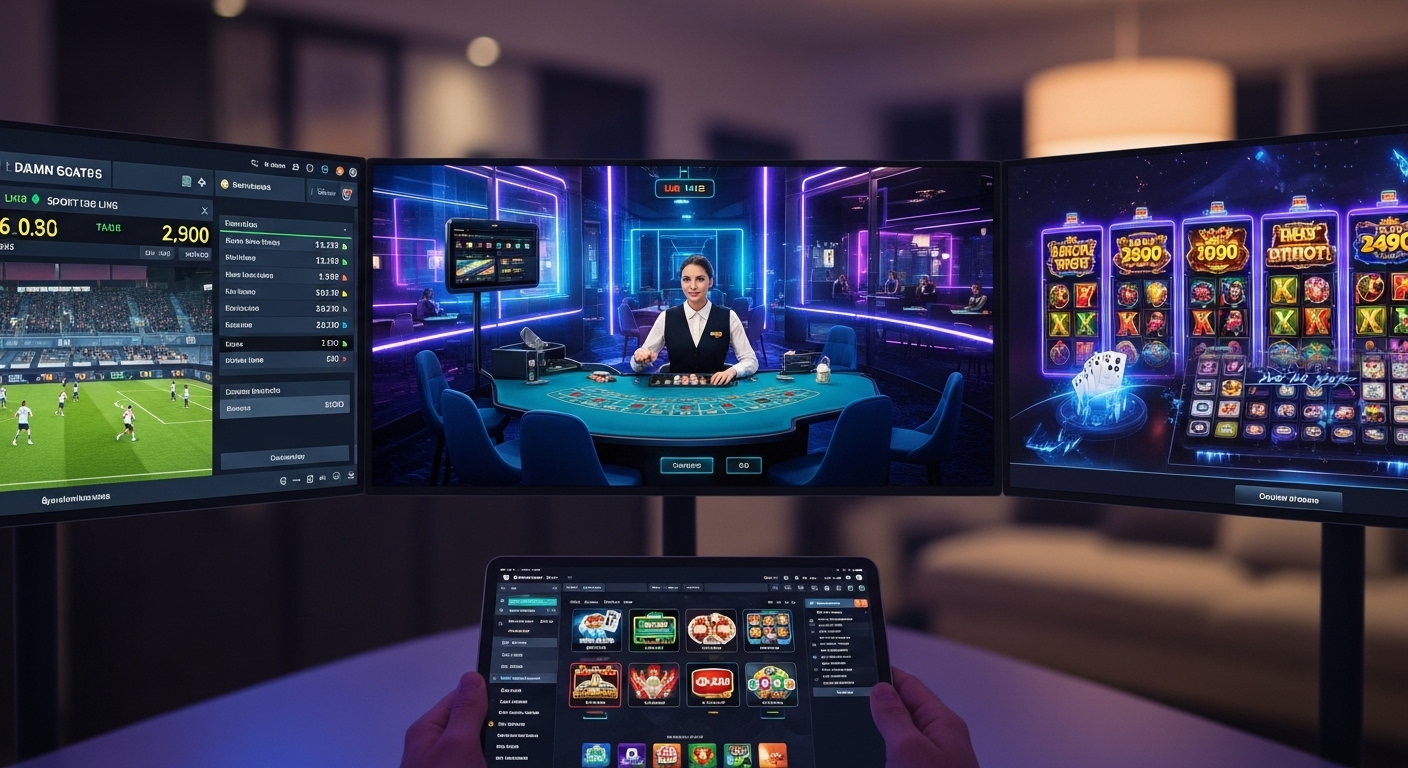
Introduction to iGaming
In recent years, the iGaming industry has experienced a meteoric rise, transforming the way people engage with online entertainment. From online casinos to sports betting and esports, iGaming covers a broad spectrum of digital gaming experiences, offering players the ability to gamble and play games anytime, anywhere. This blog post will take an in-depth look at the growth of iGaming, its various forms, and its impact on the global gaming landscape.
What is iGaming?
iGaming refers to any form of gambling or gaming that takes place over the internet. This includes a variety of activities such as online casino games, sports betting, poker, and fantasy sports. Unlike traditional land-based gambling, iGaming offers players the convenience of participating in their favorite games from the comfort of their own homes or on the go through mobile devices. The simplicity and accessibility of online gaming have made it a favored choice for millions of players worldwide.
The Growth of iGaming: Key Drivers
The success and rapid expansion of the iGaming sector can be attributed to several key factors, each contributing to its wide appeal and sustained growth.
1. Technological Advancements
Technological innovation is the backbone of the iGaming industry. Over the last two decades, improvements in internet connectivity, mobile technology, and game development software have revolutionized the online gaming experience. High-definition graphics, interactive gameplay, and live-streamed casino tables are just some of the ways technology has enhanced player experiences. Additionally, mobile apps have allowed players to engage with their favorite games from virtually anywhere, boosting accessibility.
2. Regulation and Legalization
As more countries have introduced regulations around online gambling, the legitimacy and safety of iGaming have increased. Many governments have legalized online casinos and sports betting, creating a safer environment for players while ensuring that operators adhere to fair practices. Countries such as the United Kingdom, Spain, and Canada have well-established frameworks that protect players and ensure the industry remains transparent and regulated. The increasing acceptance of iGaming has helped build player trust, facilitating growth across global markets.
3. Mobile Gaming Revolution
Smartphones and tablets have played a pivotal role in the rise of iGaming. The ease with which users can access gaming platforms via mobile devices has opened up new possibilities for the industry. Mobile gaming has allowed for real-time betting, interactive gameplay, and a seamless experience, whether players are at home or on the go. This mobile-first shift has expanded the audience of iGaming to a broader demographic, including younger and more tech-savvy users.
Different Types of iGaming
iGaming is an umbrella term that encompasses various types of online gaming. Each category offers a unique experience, catering to different player preferences.
1. Online Casinos
Online casinos are the heart of iGaming. These virtual casinos offer a variety of traditional games like blackjack, roulette, baccarat, and poker, alongside hundreds of slot machines. Players can either play against the house in games of chance or compete with other players in multiplayer formats. Many online casinos now feature live dealer games, where players can interact with real human dealers via video stream, adding an extra layer of authenticity to the experience.
2. Sports Betting
Sports betting has been a staple of iGaming for years, with players placing wagers on the outcomes of real-world sporting events. Sportsbooks provide odds for sports such as football, basketball, horse racing, and even esports. The rise of in-play or live betting, where bets can be placed while the game is still in progress, has added a new level of excitement for bettors. With major sports leagues around the world embracing online platforms, the sports betting segment is expected to continue its rapid growth.
3. Esports Betting
Esports, or competitive video gaming, has evolved into a massive industry, attracting millions of viewers and players globally. Esports betting allows players to place wagers on the outcomes of tournaments and matches in games like League of Legends, Dota 2, and Counter-Strike: Global Offensive. As the esports scene continues to expand, more iGaming platforms are offering opportunities for players to bet on their favorite teams and players, turning esports betting into a major industry within the broader iGaming market.
4. Poker
Online poker has long been one of the most popular forms of iGaming. Players can compete in a range of poker variations such as Texas Hold’em, Omaha, and Seven-Card Stud. Major online poker platforms host large-scale tournaments with substantial prize pools, attracting both recreational players and professional poker enthusiasts. The introduction of mobile poker apps has made it even easier for players to join tables and compete with others around the world.
The Social and Economic Impact of iGaming
iGaming is not just a form of entertainment; it also has significant social and economic implications. As the industry grows, it continues to shape the economy, create jobs, and influence cultural trends.
1. Job Creation and Economic Growth
The iGaming industry generates billions of dollars each year, contributing to the global economy. In addition to providing substantial tax revenue for governments, it has created jobs across various sectors. From software development and marketing to customer support and game design, the demand for skilled professionals in the iGaming industry has soared. As the industry continues to grow, it’s expected that iGaming will provide even more opportunities for employment and innovation.
2. Cultural Shifts
The rapid growth of iGaming has also led to cultural shifts, particularly with regard to how people view and engage with gaming and gambling. The accessibility of online gambling has made it more mainstream, while esports has turned competitive gaming into a spectator sport with a massive global following. In addition, social aspects of iGaming, such as multiplayer games and live chat features, have helped create online communities, allowing players to interact and engage with one another from around the world.
3. Responsible Gaming and Player Protection
As the iGaming sector expands, so does the need for responsible gaming practices. While many players engage in online gambling for entertainment, there is always the risk of addiction. Many iGaming platforms are now incorporating tools that promote responsible gaming, such as self-exclusion options, limits on deposits, and 24/7 access to support services. Additionally, regulators are working to implement measures that ensure operators protect players from harmful behavior and maintain the integrity of the games.
The Future of iGaming
The future of iGaming looks bright, with several emerging trends set to shape the industry over the next decade.
1. Virtual Reality and Augmented Reality
Virtual reality (VR) and augmented reality (AR) are set to revolutionize the iGaming industry by providing players with immersive and interactive gaming experiences. Imagine stepping into a virtual casino where you can interact with dealers and other players as though you were in a physical casino. As VR and AR technologies continue to evolve, they will undoubtedly change how people experience online gaming.
2. Cryptocurrency and Blockchain Technology
Cryptocurrencies such as Bitcoin and Ethereum are becoming more widely accepted in the iGaming industry. The integration of blockchain technology could further enhance transparency, security, and fairness in online gambling. Players could use blockchain to verify game outcomes, track transactions, and ensure a higher level of trust in gaming platforms.
3. Expansion into New Markets
With the increasing legalization of online gambling in various parts of the world, the iGaming industry is poised for continued expansion. Countries in North America, Asia, and Europe are increasingly embracing iGaming, which opens up new markets and opportunities for operators. As more regions create regulatory frameworks for online gaming, the global reach of iGaming will expand even further.
Conclusion
iGaming is no longer a niche market; it has evolved into a global phenomenon that continues to shape the future of online entertainment. From the technological innovations that power gaming platforms to the social and economic impact it has on global markets, iGaming is an industry with vast potential. As new technologies emerge and regulations adapt to the ever-changing landscape, iGaming is poised to remain a central player in the world of digital entertainment for years to come. Whether you’re a casual player or a seasoned enthusiast, one thing is clear: the iGaming revolution is only just beginning.