
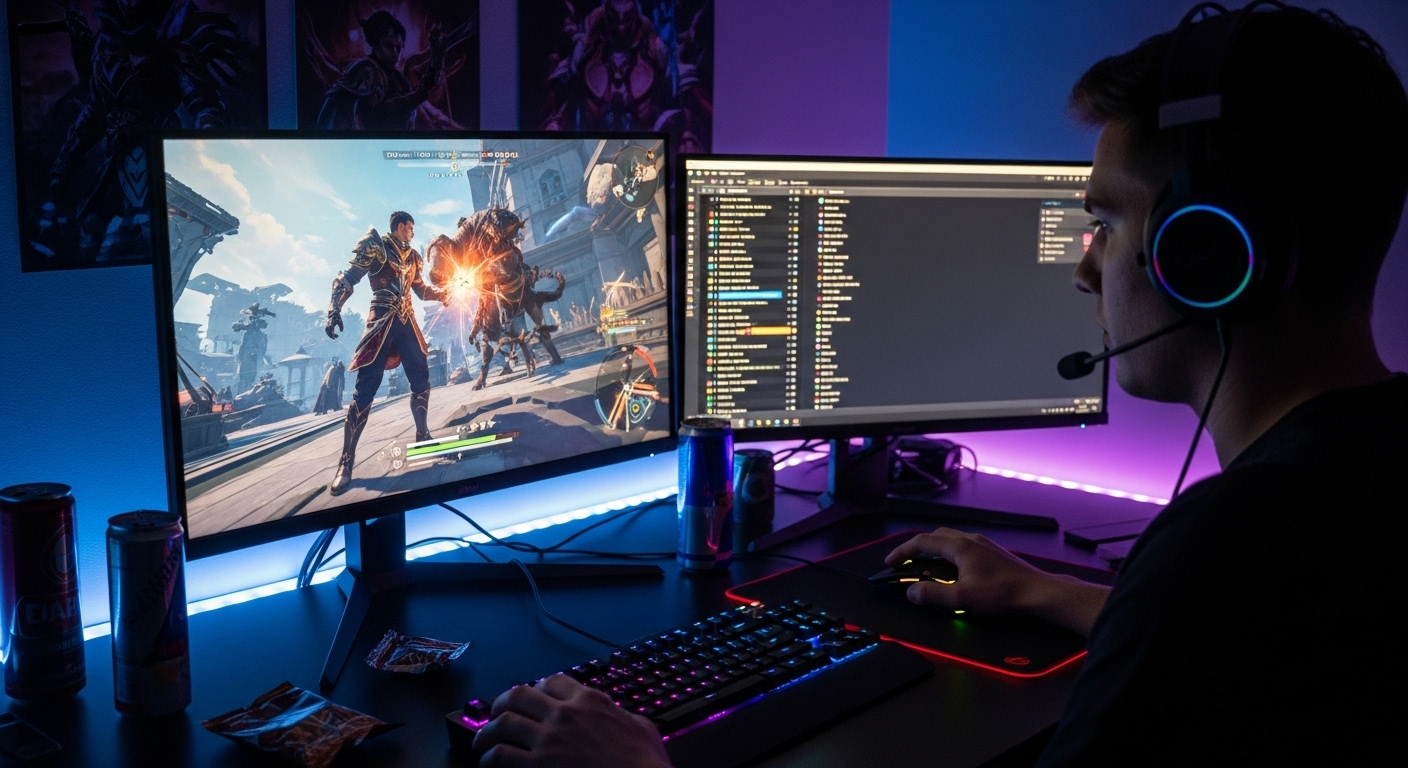
In the world of competitive gaming, success is often measured by reaction time, focus, and strategic decision-making. However, what many players overlook is the role nutrition plays in supporting these critical aspects of performance. While esports might not seem as physically demanding as traditional sports, the mental stamina, hand-eye coordination, and long hours of practice require players to treat their bodies with the same level of care. Proper nutrition is not just about staying healthy—it’s about achieving peak cognitive performance, maintaining consistent energy levels, and optimizing mental clarity during long gaming sessions.
This blog explores the science and strategies behind nutrition for esports athletes. It will cover how specific foods, hydration, meal timing, and supplements can boost concentration, prevent fatigue, and enhance overall performance.
The Importance of Nutrition in Esports
Many gamers underestimate the connection between diet and performance. However, nutrition affects nearly every aspect of gameplay—reaction time, mental sharpness, emotional balance, and physical endurance. Just as a race car needs high-quality fuel to run smoothly, gamers need proper nutrients to keep their minds and bodies functioning efficiently.
Esports athletes spend long hours in front of screens, often under high pressure. This environment can lead to mental fatigue, stress, and even burnout if the body is not supported with adequate nutrition. The brain consumes about 20% of the body’s total energy, and during intense gaming sessions, this demand increases. Poor eating habits—like skipping meals, relying on energy drinks, or consuming junk food—can lead to crashes, sluggish thinking, and slower reaction times.
Good nutrition supports steady blood sugar levels, boosts brain function, reduces fatigue, and improves mood. It also enhances overall physical health, which helps players sustain their careers longer.
The Foundation: Balanced Macronutrients
A balanced diet for esports performance should include the three primary macronutrients—carbohydrates, proteins, and fats—in the right proportions. Each serves a unique purpose that contributes to sustained focus and energy.
Carbohydrates for Mental Energy
Carbohydrates are the main source of energy for the brain. Complex carbohydrates, such as oats, brown rice, quinoa, and whole grains, release glucose slowly into the bloodstream, providing long-lasting energy. This helps prevent the energy crashes that often occur after consuming sugary snacks or processed foods.
For gamers, maintaining consistent energy levels is critical. Simple carbohydrates like candy, soda, or pastries can cause quick spikes in blood sugar followed by a sharp drop, leading to tiredness and poor concentration. Instead, foods like sweet potatoes, whole-grain bread, and fruits such as apples or berries should be prioritized to maintain mental alertness and prevent fatigue during tournaments or practice sessions.
Protein for Repair and Focus
Protein is essential for maintaining muscle health, repairing tissues, and supporting neurotransmitter production in the brain. Neurotransmitters such as dopamine and serotonin play a major role in mood regulation, motivation, and focus—all vital for competitive play.
Good protein sources include lean meats, eggs, fish, dairy products, and plant-based options like beans, lentils, tofu, and quinoa. For players who struggle to get enough protein through meals, a high-quality protein shake can be a useful supplement, especially after long sessions when meal prep is difficult.
Healthy Fats for Brain Function
Not all fats are bad. In fact, healthy fats are critical for brain health, as the brain itself is made up largely of fat. Omega-3 fatty acids, found in fish such as salmon, mackerel, and sardines, or in plant-based sources like chia seeds and walnuts, can enhance cognitive function, memory, and reaction time.
Avocados, olive oil, and nuts are excellent sources of monounsaturated fats, which support stable energy and improve circulation—beneficial for long gaming hours. Limiting saturated fats from fried and processed foods helps avoid sluggishness and brain fog.
Hydration: The Overlooked Performance Booster
Hydration is one of the most overlooked aspects of esports nutrition. Even mild dehydration can reduce focus, increase fatigue, and slow reaction time. Studies show that a 2% drop in hydration levels can significantly impair cognitive performance—a serious drawback in competitive gaming.
Water is the best way to stay hydrated. Energy drinks and sodas may seem like a quick fix, but their high sugar and caffeine content can cause dehydration in the long run. Caffeine, while beneficial in moderation, is a diuretic and can lead to fluid loss if consumed excessively.
Gamers should aim to drink water consistently throughout the day rather than waiting until they feel thirsty. Adding electrolyte-rich beverages or snacks such as bananas, coconut water, or yogurt can help maintain a healthy balance of sodium and potassium, which regulate hydration and prevent fatigue.
The Power of Micronutrients
While macronutrients provide the main energy and building blocks for the body, micronutrients—vitamins and minerals—play a critical role in supporting cognitive function, nerve communication, and energy metabolism.
Vitamin B Complex
B vitamins, especially B6, B12, and folate, are crucial for converting food into energy and supporting brain function. They help produce neurotransmitters and maintain mental clarity. A deficiency in these vitamins can lead to fatigue, mood swings, and reduced focus. Foods rich in B vitamins include eggs, leafy greens, meat, and fortified cereals.
Vitamin D
Vitamin D is often called the “sunshine vitamin,” and it’s essential for maintaining mood and energy levels. Many gamers spend most of their time indoors, leading to low vitamin D levels, which can contribute to fatigue and poor mental health. Spending a few minutes in natural sunlight each day or consuming vitamin D-rich foods like salmon, fortified milk, and eggs can make a big difference.
Iron and Magnesium
Iron is important for oxygen transport in the blood, ensuring that the brain and muscles receive enough oxygen to perform efficiently. Low iron levels can cause tiredness and decreased concentration. Red meat, spinach, lentils, and beans are excellent sources of iron.
Magnesium helps regulate nerve and muscle function and can also reduce stress and improve sleep quality—both critical for recovery after gaming sessions. Foods like almonds, pumpkin seeds, and dark chocolate are rich in magnesium.
The Role of Caffeine in Esports
Caffeine is one of the most commonly used performance enhancers in gaming. It increases alertness, reduces reaction time, and helps players stay focused. However, it should be consumed wisely. Too much caffeine can lead to anxiety, jitters, or energy crashes.
A moderate amount—about one to two cups of coffee or tea per day—can provide cognitive benefits without negative side effects. Players should avoid relying on energy drinks loaded with sugar and synthetic additives, as they can cause dehydration and disrupt sleep patterns.
Timing caffeine intake is also important. Consuming caffeine too late in the day can interfere with sleep, which directly impacts reaction time and decision-making ability the next day.
Meal Timing and Consistency
When and how often you eat matters just as much as what you eat. Gamers often get absorbed in their sessions and forget to eat, leading to sudden drops in energy and focus. Maintaining regular meals and snacks throughout the day keeps blood sugar levels stable.
A good routine might include three balanced meals and two small snacks. Before competitions or long practice sessions, consuming a meal with complex carbohydrates and protein can help maintain energy levels. For example, a breakfast of oatmeal with fruit and a boiled egg is an excellent pre-game meal.
During gaming, light snacks such as nuts, yogurt, or fruit can help sustain focus without causing sluggishness. After gaming, recovery meals with protein and carbohydrates help replenish energy stores and repair muscle tissue.
Avoiding Common Nutrition Mistakes
Many esports players fall into unhealthy eating habits due to irregular schedules, late-night gaming, and reliance on convenience foods. Here are some common mistakes to avoid:
Skipping Meals: This leads to low blood sugar, poor concentration, and irritability. Consistent nutrition is key for mental stability.
Overconsuming Caffeine or Energy Drinks: While caffeine can enhance focus, overuse leads to dehydration and anxiety, reducing overall performance.
Relying on Fast Food or Snacks: Junk food offers quick energy but lacks essential nutrients for sustained focus. Long-term consumption also leads to weight gain and lethargy.
Ignoring Sleep: Nutrition and rest go hand in hand. Poor sleep reduces metabolism efficiency and increases cravings for unhealthy foods.
By planning meals ahead and keeping healthy snacks on hand, players can easily avoid these pitfalls.
Brain-Boosting Foods for Gamers
Certain foods have been scientifically shown to improve brain function, memory, and alertness. Incorporating these into an esports diet can provide a natural performance edge.
Blueberries: Packed with antioxidants that protect brain cells and improve memory.
Fatty Fish: Salmon and tuna are rich in omega-3 fatty acids that enhance brain communication and reduce mental fatigue.
Eggs: High in choline, a nutrient that supports brain development and function.
Nuts and Seeds: Provide vitamin E, which protects against cognitive decline, and magnesium for calmness and focus.
Leafy Greens: Contain folate and vitamin K, which are linked to improved mental sharpness.
Dark Chocolate: Contains caffeine and flavonoids that boost brain performance and mood in small amounts.
By including these foods regularly, gamers can enhance mental agility and overall focus naturally.
Supplements for Esports Athletes
While a balanced diet is the best way to get nutrients, some gamers may benefit from supplements, especially when their schedules or preferences limit their food intake.
Omega-3 Supplements: Improve memory, reaction time, and mental endurance.
Vitamin D and B Complex: Useful for gamers who spend most of their time indoors.
Magnesium and Zinc: Support recovery, reduce stress, and maintain stable energy.
L-Theanine and Caffeine Combination: Found naturally in tea, this combination promotes focus without jitteriness.
It’s important to consult with a nutritionist or healthcare professional before starting any supplements, as excessive intake can have negative side effects.
The Connection Between Nutrition and Mental Health
Mental health is a critical component of esports performance. The pressure to perform, the long hours, and the emotional rollercoaster of competition can lead to stress and anxiety. Nutrition can significantly affect mental resilience.
Foods rich in omega-3 fatty acids, magnesium, and antioxidants support the nervous system and reduce inflammation, which can help stabilize mood. Avoiding excessive sugar and processed foods can also prevent mood swings and improve emotional balance.
A healthy gut microbiome, supported by probiotics and fiber-rich foods, has been linked to better mental health. Yogurt, kefir, sauerkraut, and fiber from fruits and vegetables can improve gut health and, in turn, brain function.
Building a Personalized Esports Nutrition Plan
Each player’s body and schedule are different, so nutrition should be personalized. Factors like practice duration, tournament times, sleep schedules, and individual metabolism influence the ideal diet.
A good esports nutrition plan includes:
- Three balanced meals per day
- Healthy snacks for sustained energy
- Regular hydration habits
- Controlled caffeine use
- A mix of brain-boosting foods
Keeping a food journal can help track how different meals affect focus, mood, and energy. Over time, this awareness allows players to fine-tune their diet for maximum performance.
Conclusion
In competitive gaming, nutrition is a hidden advantage that separates good players from great ones. Proper eating habits fuel the brain, sustain focus, and enhance endurance during long sessions. While skill, strategy, and practice are vital, they can only reach their full potential when supported by a healthy body and mind.
By focusing on balanced macronutrients, hydration, key vitamins and minerals, and mindful eating habits, esports athletes can optimize their performance naturally. Nutrition isn’t just about avoiding fatigue—it’s about giving yourself every possible edge in the digital arena.