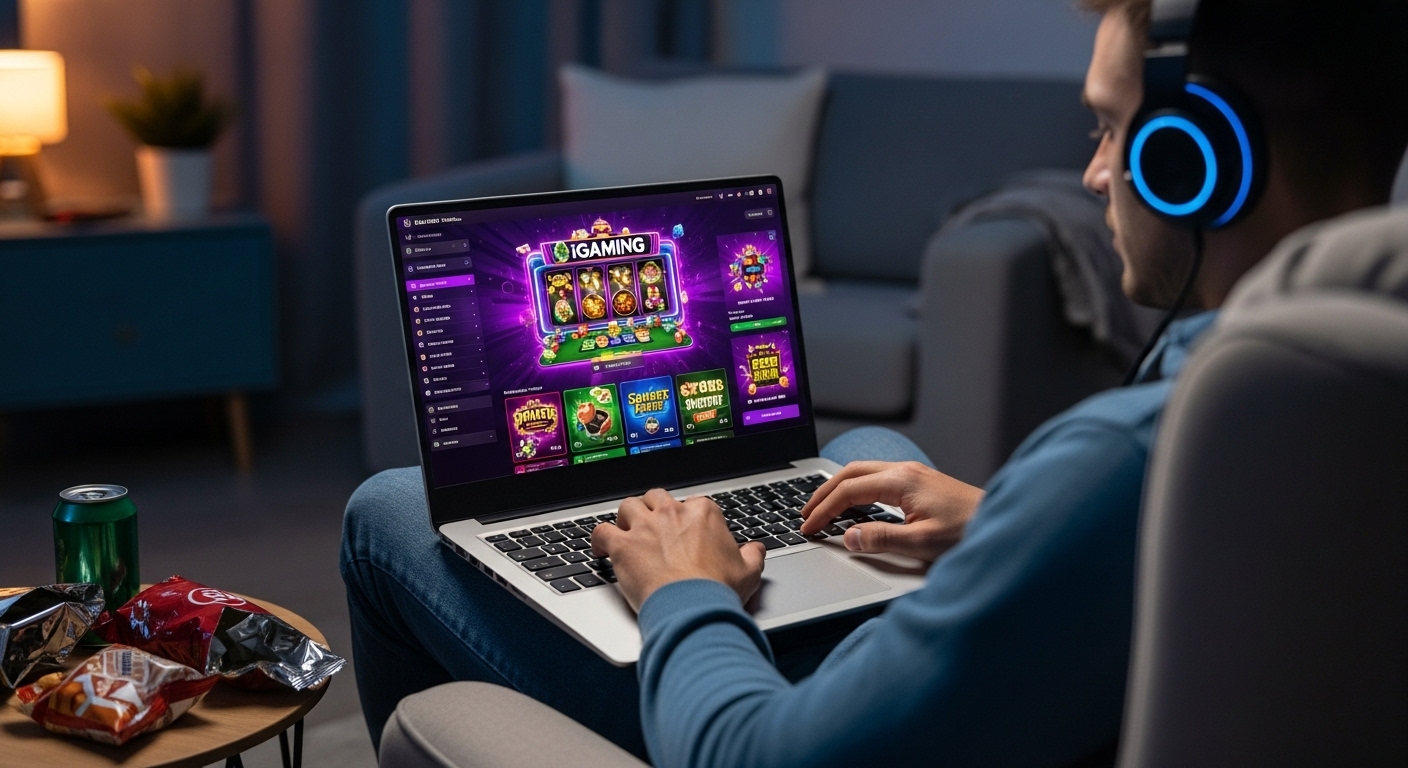

In recent years, the iGaming industry has experienced explosive growth, becoming a major segment of the global entertainment market. What was once a niche form of entertainment, primarily enjoyed by a select group of gamblers, has now grown into a multi-billion-dollar industry that appeals to millions of players around the world. With advancements in technology, changing regulations, and the growing popularity of online gambling, iGaming has transformed how people engage with gaming and betting, offering new opportunities for both players and operators. In this blog post, we will explore the rise of iGaming, the factors driving its success, the challenges it faces, and what the future may hold for this ever-evolving industry.
What is iGaming?
iGaming, or internet gaming, refers to the practice of gambling on the internet. It encompasses a broad range of activities including online casinos, sports betting, online poker, bingo, and virtual gaming experiences. Unlike traditional gambling establishments, iGaming allows individuals to place bets and play games remotely from the comfort of their homes or while on the go, using computers, smartphones, or tablets.
The appeal of iGaming is clear: it offers convenience, accessibility, and a vast selection of games and betting options. Whether players enjoy classic casino games like blackjack and roulette, or prefer to wager on their favorite sports teams, online gambling provides a platform to do so anytime, anywhere. Over time, iGaming has become a central hub for both casual and serious gamblers, attracting people of all ages and backgrounds.
The Growth of the iGaming Industry
Over the past two decades, iGaming has grown at an unprecedented pace. According to various industry reports, the global iGaming market is projected to reach tens of billions of dollars in the coming years, with growth rates surpassing traditional gambling sectors. Several factors have contributed to this rapid expansion:
1. Advancements in Technology
The primary driver of iGaming’s success has been technological innovation. High-speed internet, mobile devices, and advancements in gaming software have made online gambling more accessible and enjoyable than ever before. The proliferation of smartphones and tablets has allowed people to gamble on-the-go, breaking the traditional barriers associated with land-based casinos. Additionally, improved security measures, such as encryption technology, have enhanced trust and safety for online players.
2. The Convenience of Mobile Gaming
With the widespread adoption of smartphones, mobile gaming has become a central component of the iGaming ecosystem. Mobile apps and browser-based platforms allow players to access their favorite games anywhere and at any time. Whether waiting in line at a coffee shop or relaxing at home, players can quickly open their mobile devices and dive into the world of online gambling. This level of convenience has helped expand the reach of iGaming, especially among younger audiences.
3. Regulatory Changes
In recent years, more and more countries have recognized the potential economic benefits of iGaming and have taken steps to regulate online gambling. Legalizing and regulating iGaming markets not only helps governments generate tax revenue, but also ensures a safer, more transparent environment for players. Countries such as the United Kingdom, Canada, and parts of the United States have established comprehensive regulatory frameworks that have helped propel the growth of the industry. As more jurisdictions implement or adjust their laws, iGaming is becoming more globally accepted.
The Types of iGaming
The iGaming industry is vast, offering a variety of gaming experiences for players. The most popular segments include:
1. Online Casinos
Online casinos are among the most popular forms of iGaming. These platforms allow players to engage in a wide variety of casino games such as slots, blackjack, roulette, baccarat, and poker, among others. Some online casinos also offer live dealer games, where players can interact with real-life dealers through live video streams.
Online casinos have evolved over the years, offering not only traditional games but also innovative slots and video poker variants that appeal to a broad audience. The ability to offer an almost endless variety of games and the convenience of playing from home have made online casinos a dominant force in the iGaming world.
2. Sports Betting
Sports betting is another major segment of iGaming. It involves placing wagers on the outcome of various sports events, ranging from football and basketball to horse racing and eSports. Online sportsbooks allow players to bet on real-time events, providing live odds, statistics, and various types of bets like moneyline, point spread, and prop bets.
In recent years, mobile apps have made sports betting even more accessible, as users can place bets in real-time while watching games. The growing popularity of fantasy sports has also contributed to the expansion of sports betting, blurring the lines between traditional betting and interactive, skill-based gaming.
3. Online Poker
Online poker has been a cornerstone of iGaming since its early days. Platforms like PokerStars and 888poker have connected players from around the world, offering a range of poker variants such as Texas Hold’em, Omaha, and Seven Card Stud. The allure of poker tournaments, where players can win substantial prizes, has helped maintain the popularity of this form of online gambling.
With features like multi-table tournaments, player tracking, and real-time hand statistics, online poker has become a highly competitive space, attracting both recreational players and serious professionals. The rise of televised poker tournaments like the World Series of Poker (WSOP) has also increased the appeal of online poker by generating mainstream interest.
4. Virtual Sports and eSports Betting
A more recent trend in iGaming is the rise of virtual sports and eSports betting. Virtual sports are computer-generated simulations of traditional sports, such as football or basketball, where players can place bets on the outcomes of simulated events. These games run 24/7, offering players a continuous stream of betting opportunities.
Similarly, eSports betting has become increasingly popular as competitive video gaming has gained massive audiences worldwide. Players can now bet on the outcomes of eSports tournaments in games like Dota 2, League of Legends, and Counter-Strike. The ability to bet on digital sports and video games is particularly attractive to younger audiences, blending traditional sports betting with the rapidly growing world of gaming.
Innovations Shaping the Future of iGaming
The iGaming industry is constantly evolving, with new technologies and trends pushing the boundaries of what is possible. Some of the most notable innovations currently shaping the future of iGaming include:
1. Live Dealer Games
Live dealer games are one of the most significant innovations in the online casino sector. By using high-definition video streaming, live dealer games allow players to interact with real human dealers in real-time. These games bring the authentic casino experience to the digital world, where players can chat with dealers, watch them shuffle cards, and place their bets in a realistic setting. Live dealer games are available in a variety of formats, including blackjack, roulette, baccarat, and poker.
2. Virtual Reality (VR) and Augmented Reality (AR)
Virtual reality (VR) and augmented reality (AR) have the potential to revolutionize the iGaming sector. VR technology allows players to enter fully immersive 3D environments where they can interact with games, dealers, and other players. Players could experience walking through a virtual casino floor or sitting at a virtual poker table, giving them a level of immersion that traditional online gaming cannot match.
On the other hand, AR technology could enhance the real-world gaming experience by overlaying digital elements onto physical environments. This could lead to new forms of gaming where players interact with the physical world in unique ways.
3. Blockchain and Cryptocurrency
Blockchain technology is playing an increasingly important role in the iGaming industry. Blockchain’s decentralized nature ensures fairness and transparency, which is particularly important in gambling. Many online casinos now use blockchain technology to verify the outcomes of games, ensuring that players can trust that results are not manipulated.
Cryptocurrencies like Bitcoin, Ethereum, and others are also gaining traction as payment methods in iGaming. Cryptocurrencies offer faster and more secure transactions, along with greater privacy and anonymity compared to traditional banking methods. As a result, more iGaming platforms are integrating cryptocurrency payment options to cater to a growing base of crypto-savvy players.
Regulatory Challenges and Responsible Gaming
Despite its growth, iGaming faces significant regulatory challenges. The legal status of online gambling varies greatly across different countries and regions. While some countries, such as the United Kingdom and parts of Europe, have embraced online gambling through regulatory frameworks, others maintain strict laws that either prohibit or severely restrict it.
As the industry continues to grow, maintaining consumer protection, promoting responsible gaming, and preventing problem gambling remain crucial. Many iGaming operators are now implementing responsible gaming tools, such as self-exclusion options and betting limits, to ensure players can gamble in a safe and controlled environment.
Conclusion: The Future of iGaming
The future of iGaming looks incredibly promising. As technology continues to evolve, the sector will likely see further innovations in gaming experiences, payment methods, and mobile accessibility. Whether it’s the rise of live dealer games, virtual casinos powered by VR, or the adoption of blockchain and cryptocurrencies, iGaming is poised to offer players even more exciting opportunities in the years to come.
However, the industry will also need to address ongoing regulatory challenges and ensure that players are protected and engaged responsibly. With the right balance of innovation, regulation, and consumer protection, the future of iGaming is bright, offering an exciting, dynamic, and ever-evolving gambling experience for millions of players worldwide.