
Introduction
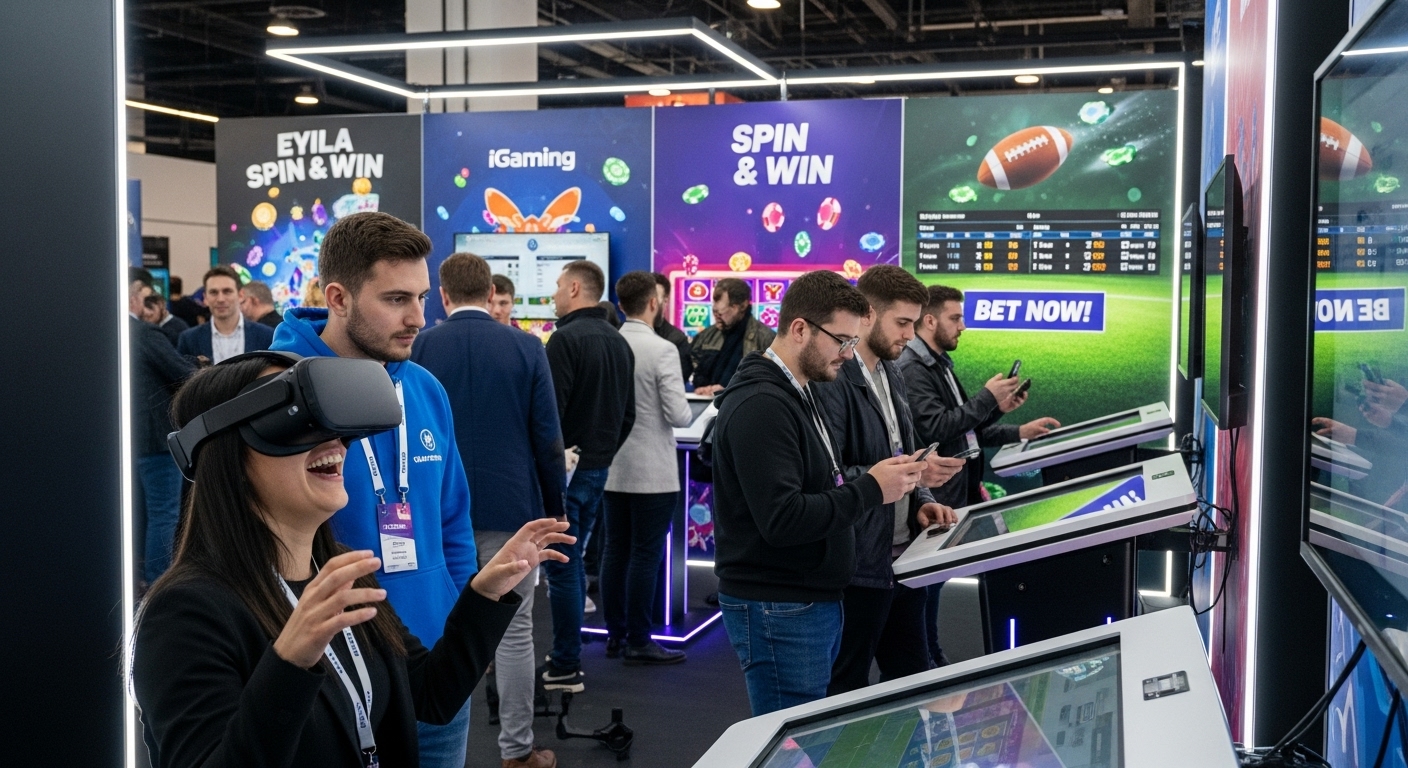
The world of iGaming has always been one of innovation, excitement, and competition. As technology continues to advance, the boundaries of what is possible within online gaming are constantly being redefined. One of the most transformative trends reshaping this industry today is gamification. It is no longer enough for an online casino or betting platform to simply offer games; players now crave experiences that feel immersive, rewarding, and engaging. Gamification—the application of game-like elements to non-gaming contexts—is transforming iGaming by enhancing player loyalty, increasing engagement, and redefining entertainment value.
In this blog, we will explore the rise of gamification in iGaming, its key components, its impact on player behavior, and how it will shape the industry’s future. From achievement systems and loyalty programs to advanced personalization powered by artificial intelligence, gamification is setting new standards for player interaction and retention.
Understanding Gamification in iGaming
At its core, gamification involves using design principles from video games in other digital environments. In iGaming, this concept manifests as features like progress bars, levels, achievements, challenges, rewards, and leaderboards. These elements are designed to make the experience more dynamic, motivating players to interact more frequently and for longer periods.
Traditional online gambling relied primarily on chance and monetary incentives. However, with gamification, developers are adding emotional and psychological rewards that go beyond winning money. The focus has shifted toward player satisfaction, long-term engagement, and entertainment. Players now have personal goals, challenges, and storylines that make their experience more meaningful.
How Gamification Transforms Player Engagement
One of the biggest challenges in iGaming has always been retention. While attracting new users is crucial, keeping them engaged is what ensures long-term profitability. Gamification has proven to be a powerful solution to this issue.
By introducing missions, milestones, and reward tiers, players feel a sense of progression. For example, instead of merely spinning a slot machine, players might aim to reach level 10 to unlock a new theme or complete a series of challenges for bonus points. This level of interactivity gives players a reason to return, not just for the chance to win, but for the fun of achieving new goals.
Moreover, leaderboards and social competitions have added a new layer of excitement. Players can compare their progress with others, fostering a sense of community and competition. This shared experience makes iGaming feel less like a solitary activity and more like a connected digital sport.
The Psychology Behind Gamification
The success of gamification lies in behavioral psychology. Human beings are naturally motivated by achievement, recognition, and progression. When a player completes a task and receives an immediate reward, their brain releases dopamine—a neurotransmitter associated with pleasure and motivation.
This dopamine feedback loop encourages continued engagement. Whether it’s earning virtual trophies, unlocking new avatars, or achieving VIP status, players feel a sense of accomplishment. The act of earning rewards, no matter how small, keeps them hooked. Gamification taps into these psychological triggers to create deeply satisfying experiences that sustain long-term interest.
Gamification and Player Loyalty Programs
Loyalty programs have existed in casinos for decades, but gamification has revolutionized them. In modern iGaming platforms, loyalty is no longer about accumulating points passively. Instead, it’s about interactive participation.
Players may complete missions to earn loyalty points, unlock badges, or climb VIP tiers. For example, a player might receive extra rewards for completing daily tasks like playing specific games or achieving a streak of wins. This creates consistent engagement instead of sporadic play.
Moreover, personalized challenges powered by AI ensure that players receive goals suited to their behavior and preferences. A slot enthusiast might receive spinning-related missions, while a poker player could unlock special tournaments. These personalized journeys not only improve satisfaction but also encourage brand loyalty.
Technology Driving the Future of Gamification
As iGaming technology evolves, so too do the opportunities for advanced gamification. Several emerging technologies are expected to redefine the way gamified systems work.
1. Artificial Intelligence (AI):
AI allows gaming platforms to tailor the player experience. Through data analysis, AI can predict player preferences and generate personalized goals, rewards, and challenges. The future of gamification will rely heavily on adaptive systems that evolve with each player’s behavior.
2. Virtual Reality (VR) and Augmented Reality (AR):
Gamification will extend beyond screens as VR and AR create immersive environments. Imagine entering a virtual casino where players physically interact with leaderboards, unlock rooms, and collect rewards in a 3D world.
3. Blockchain and NFTs:
The integration of blockchain technology will make rewards more tangible. NFTs (non-fungible tokens) could represent exclusive achievements, collectible badges, or rare in-game assets. This adds real-world value to virtual accomplishments.
4. Data Analytics and Machine Learning:
Through predictive analytics, platforms will identify player patterns, anticipate drop-offs, and introduce timely challenges to re-engage users. The data-driven approach ensures every player journey remains engaging and unique.
Gamification in Different iGaming Sectors
Gamification is not limited to one type of iGaming activity—it’s reshaping multiple sectors.
1. Online Casinos:
Slots, roulette, and blackjack are becoming more interactive. Slot games may now feature progression systems, storylines, and collectible bonuses. These elements transform the simple act of spinning reels into an adventure-like experience.
2. Sports Betting:
Sports betting platforms are adding leaderboards, streak rewards, and achievement badges for consistent performance. Players can compete for top ranks based on their prediction accuracy, creating an experience that blends gambling with strategy.
3. Poker Platforms:
Online poker has embraced gamification through mission-based systems. Players earn points or unlock new tables by completing tasks, such as winning with specific hands or maintaining winning streaks.
4. Esports Betting:
With esports’ popularity skyrocketing, betting platforms have incorporated game-like experiences to attract younger audiences. Interactive dashboards, performance stats, and reward tiers make betting more entertaining than traditional formats.
The Social Aspect of Gamified iGaming
Gamification has also turned iGaming into a social experience. Multiplayer modes, shared challenges, and real-time leaderboards encourage collaboration and competition. Players can form teams, participate in tournaments, and even challenge friends for prizes.
The sense of belonging created through social interaction strengthens emotional investment in the platform. When players feel part of a community, they are more likely to stay loyal and engaged. Chat functions, virtual clubs, and shared progress boards contribute to this connected environment.
Monetization Opportunities Through Gamification
Beyond improving user engagement, gamification has opened new monetization strategies. Platforms can offer premium passes, exclusive challenges, or limited-edition rewards for real money. These optional purchases add another revenue stream while giving players a sense of exclusivity.
Additionally, gamification increases playtime and customer lifetime value. When players feel rewarded for their engagement, they are more likely to invest financially. The sense of progress and recognition encourages spending on in-game advantages, collectibles, or bonus content.
Challenges in Implementing Gamification
While the benefits are immense, gamification also presents challenges. Maintaining a balance between entertainment and responsible gaming is essential. Overuse of psychological triggers can lead to addictive behaviors.
Developers must ensure that gamification remains a positive reinforcement tool rather than a manipulative one. Transparency, fair play, and ethical reward systems are crucial to maintaining player trust.
Another challenge lies in innovation fatigue. As more platforms adopt gamification, standing out becomes difficult. The future will belong to those who can integrate creative, story-driven, and emotionally engaging systems rather than repetitive reward loops.
The Future of Gamification in iGaming
Looking ahead, the future of gamification in iGaming promises to be even more personalized, immersive, and integrated with emerging technologies. The focus will shift toward experiential engagement—creating entire worlds where players live their gaming journeys.
AI will refine customization to unprecedented levels, predicting player behavior and adapting gameplay in real-time. Blockchain will ensure reward transparency and ownership. Virtual reality will blur the lines between online and physical experiences, creating casinos and betting worlds that feel tangible and alive.
Gamification will also play a key role in responsible gaming. Advanced tracking systems can monitor behavior patterns, offering players rewards for maintaining healthy gaming habits. This approach aligns entertainment with ethical responsibility.
Conclusion
Gamification has evolved from being a novelty into a core strategy within the iGaming industry. It represents a perfect fusion of psychology, technology, and entertainment—transforming the way players interact with digital gaming environments. By adding layers of achievement, personalization, and social interaction, gamification has made iGaming more immersive than ever before.
The future will see gamification go beyond badges and points, integrating with AI, VR, and blockchain to craft deeply personalized worlds. These innovations will ensure that iGaming continues to attract players seeking not just the thrill of winning but the joy of participation, progress, and belonging.
As iGaming grows, gamification will remain its most powerful tool—bridging technology with emotion, turning games into journeys, and players into passionate participants in a digital world that feels uniquely their own.