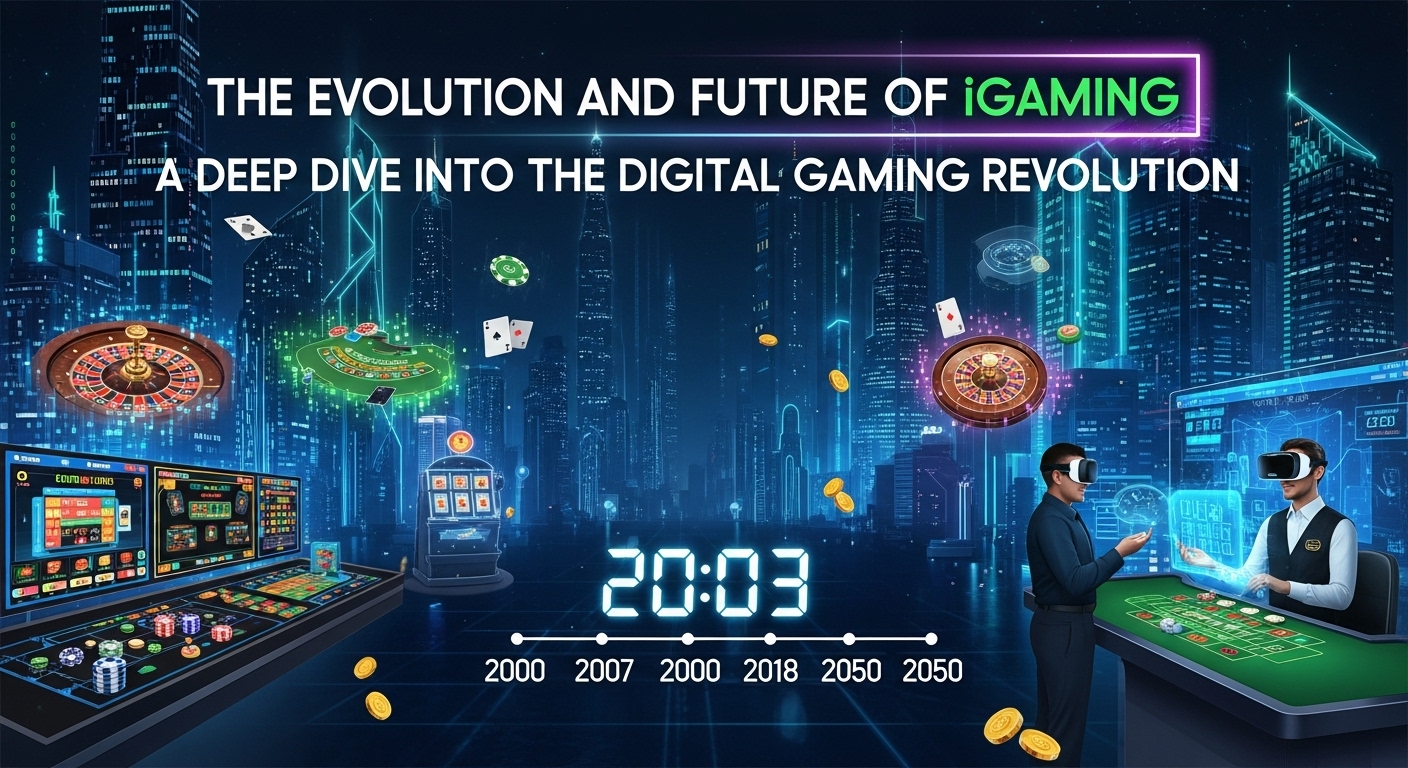

Introduction: The Evolution of iGaming
iGaming, or internet gaming, has seen explosive growth in the past few decades. From simple online slots and virtual poker rooms to fully immersive live dealer games and interactive esports betting, the world of online gaming has evolved into a multi-billion-dollar industry. With the rise of mobile technology, better internet speeds, and advanced software, iGaming has transformed the way people gamble, offering unprecedented accessibility and new ways to engage with games. This blog post explores the evolution of iGaming, its impact on the gambling industry, and the future trends that are shaping the sector.
What is iGaming? A Brief Overview
At its core, iGaming refers to the act of gambling or playing games of chance over the internet. This includes a wide range of activities such as online casino games, sports betting, poker, esports betting, and even virtual games. iGaming encompasses both real-money gambling and free-to-play games, with real-money players betting on games like slots, blackjack, roulette, and poker. Online sports betting and fantasy sports also fall under the iGaming umbrella, as they allow players to wager on the outcomes of sports events.
The industry has evolved from simple browser-based games to fully-fledged digital ecosystems that provide players with diverse options to gamble and socialize. Online casinos now offer hundreds of games, esports platforms host tournaments with millions in prize pools, and sports betting sites allow users to place bets on a wide range of events, including traditional sports like football, basketball, and newer options like virtual sports and political betting.
The Growth of iGaming: A Global Phenomenon
The growth of iGaming is driven by several key factors, including advancements in technology, changes in gambling regulations, and a shift in consumer behavior. The internet and mobile technology have made gaming accessible to anyone with an internet connection, eliminating the need for a physical casino or betting shop.
In addition to technological factors, the liberalization of gambling laws in many regions has played a significant role in the industry’s growth. Countries like the UK, Spain, and Malta have adopted favorable regulatory frameworks for online gaming, providing a safe and regulated environment for players. As a result, international operators have flocked to these markets, offering players an array of betting options while ensuring consumer protection and responsible gambling practices.
In North America, the expansion of sports betting in the wake of the repeal of PASPA (Professional and Amateur Sports Protection Act) in 2018 has further fueled the growth of iGaming. In the US alone, the legal sports betting market is expected to exceed $30 billion in revenue by 2025, which highlights the immense potential of iGaming.
Technological Advancements Driving iGaming Innovation
The technological advancements in the past decade have revolutionized the iGaming experience, making it more engaging, accessible, and secure for players. One of the most significant changes has been the shift from desktop to mobile gaming. With mobile apps and responsive websites, players can now enjoy their favorite games anywhere, at any time. This shift to mobile-first gaming has opened the doors to a new generation of players who prefer convenience and flexibility.
Another major development in iGaming is the introduction of live dealer games. Live dealer casinos use video streaming technology to bring real-life casino games into players’ homes. Through live video feeds, players can interact with human dealers in real-time, just like in a brick-and-mortar casino. This immersive experience adds an extra layer of authenticity to online gaming and has become increasingly popular in recent years.
In addition to mobile and live gaming, the use of Artificial Intelligence (AI) and data analytics is also shaping the iGaming landscape. AI-powered chatbots help customers with queries, while data analytics provide insights into player behavior, enabling operators to personalize offers and promotions. AI is also being used to detect fraudulent activities, improving security and creating a safer online gaming environment.
Online Casino Games: The Heart of iGaming
Online casinos are the most prominent segment of the iGaming industry, offering a vast array of games that replicate the experience of visiting a physical casino. These games include table games such as blackjack, roulette, baccarat, and poker, along with thousands of slot machine variants. Some of these games are based on traditional formats, while others incorporate new mechanics and features that appeal to modern players.
Slots are arguably the most popular game category in online casinos. These digital machines have evolved from the basic 3-reel games to complex video slots with multiple paylines, bonus rounds, and progressive jackpots. With themes ranging from mythology to pop culture, modern online slots cater to a broad audience and offer players the chance to win life-changing sums of money with a single spin.
Table games like blackjack and roulette have also gained massive popularity online, with various variations of the games available to suit different player preferences. While traditional online versions are played against a random number generator (RNG), live dealer games allow players to interact with human dealers and other participants, providing a more social and dynamic experience.
Sports Betting and Esports: The New Frontiers of iGaming
Sports betting has been a staple of iGaming for decades, but recent technological and regulatory changes have further fueled its expansion. Online sports betting platforms now offer a wide range of betting markets, including traditional sports like football, basketball, and horse racing, as well as niche sports and events like virtual sports, politics, and reality TV shows.
Esports betting is another rapidly growing segment of the iGaming industry. Esports refers to competitive video gaming, where professional players and teams compete in tournaments for large prize pools. Titles like League of Legends, Counter-Strike: Global Offensive, and Dota 2 attract millions of viewers and bettors alike. Esports betting allows fans to wager on outcomes, much like traditional sports, and has become an integral part of the broader iGaming ecosystem.
As esports continues to grow in popularity, we can expect more online gaming platforms to offer esports-specific betting options, including live odds, fantasy esports, and even in-game betting, where players can wager on specific events during the course of a match.
Regulations and Responsible Gambling: Safeguarding the Future of iGaming
As the iGaming industry continues to expand, regulation has become an increasingly important focus. Many countries have implemented laws that regulate online gambling, ensuring that operators adhere to strict standards regarding security, fairness, and player protection. In addition to providing a safe environment for players, regulations also help prevent illegal gambling, money laundering, and other criminal activities.
One of the most significant concerns in iGaming is problem gambling. Gambling addiction can have serious consequences, and many online operators have implemented responsible gambling measures to help players manage their gaming habits. These measures include self-exclusion options, deposit limits, and links to support organizations for those who may be struggling with gambling-related issues.
In countries where iGaming is legal, operators are often required to obtain a license from a regulatory body, such as the UK Gambling Commission or the Malta Gaming Authority, which ensures that they meet industry standards and maintain a fair and transparent gaming environment.
The Future of iGaming: What Lies Ahead?
Looking ahead, the future of iGaming is filled with exciting possibilities. As technology continues to evolve, we can expect even more immersive experiences in online gaming. Virtual reality (VR) and augmented reality (AR) are poised to make a significant impact on the industry, offering players an unprecedented level of immersion. Imagine stepping into a virtual casino, where you can interact with dealers and fellow players in a fully realized 3D environment.
Additionally, the rise of blockchain technology and cryptocurrency could also transform iGaming, offering more secure and anonymous methods of payment, along with provably fair gaming. Cryptocurrencies like Bitcoin are already being used by some online casinos, providing players with faster and more secure transactions.
Another trend to watch is the continued expansion of mobile gaming. As smartphones and tablets become increasingly powerful, mobile gaming will continue to dominate the iGaming landscape. Operators will need to optimize their platforms for mobile devices to meet the growing demand for gaming on the go.
Conclusion: A Thriving Industry with Limitless Potential
iGaming has come a long way since its inception and shows no signs of slowing down. The industry has grown into a massive global market that spans multiple sectors, including online casinos, sports betting, poker, and esports. Thanks to advancements in technology, the iGaming experience has become more immersive, accessible, and secure, attracting millions of players from around the world.
As the industry continues to innovate, we can expect even more exciting developments in the years ahead. With new technologies like VR, blockchain, and mobile gaming driving the next phase of growth, the future of iGaming looks brighter than ever. Whether you’re a casual player or a serious gambler, iGaming offers a world of possibilities—one that continues to evolve and expand, providing entertainment and opportunities for players worldwide.