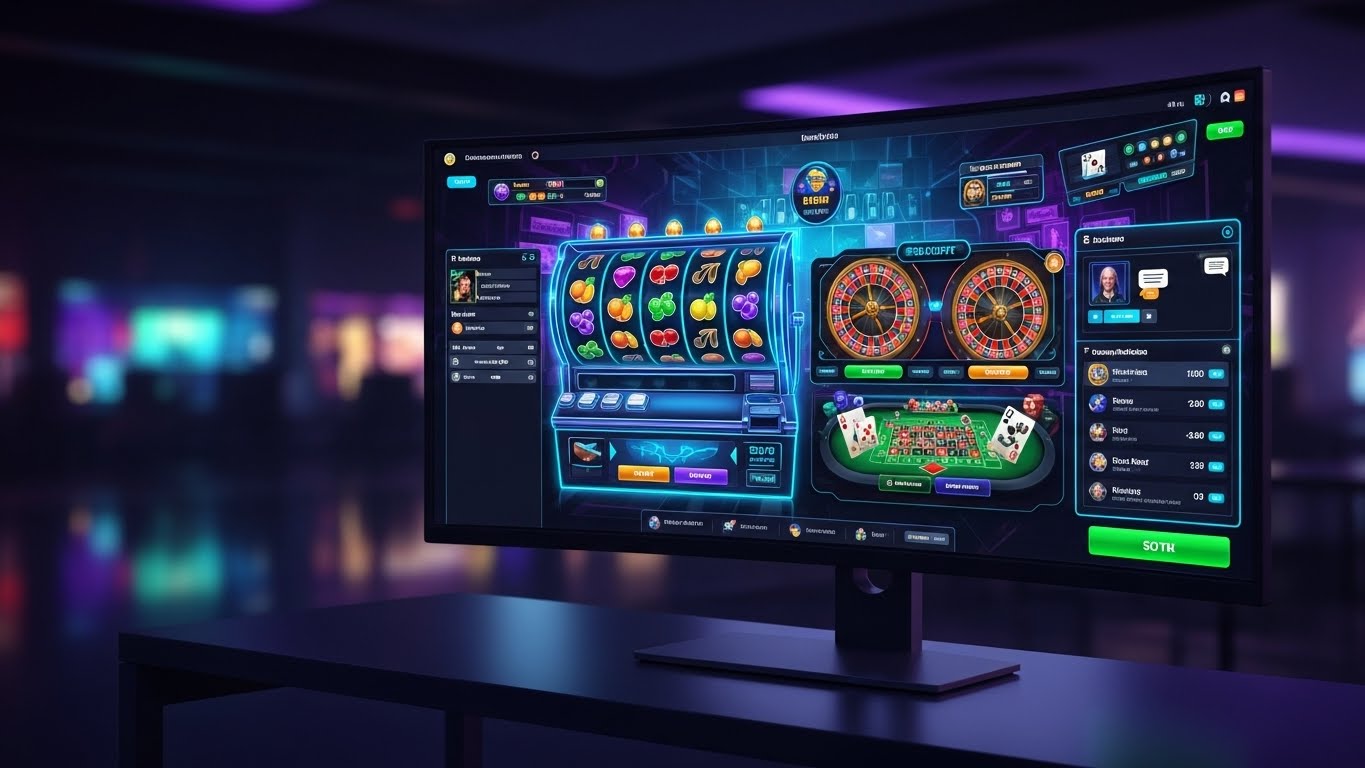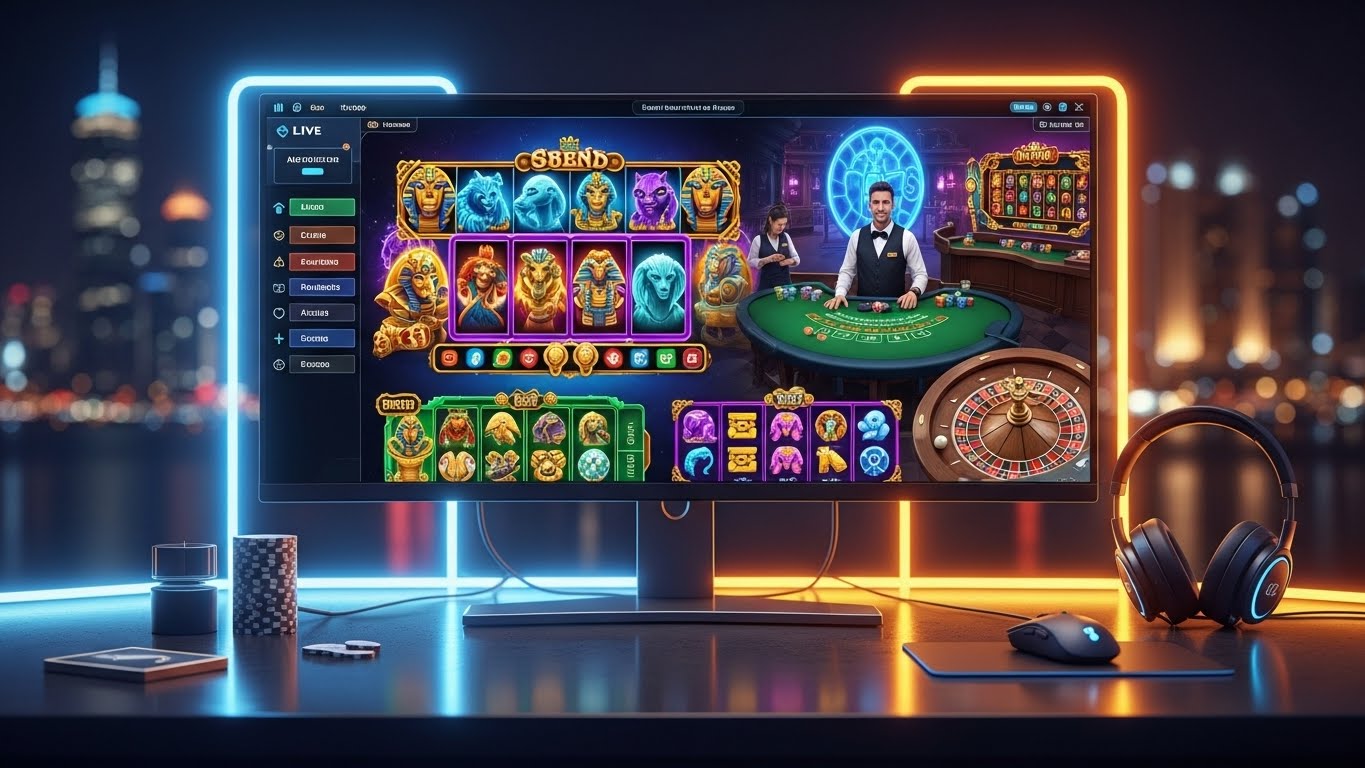

The rise of digital technology has reshaped industries worldwide, and one of the most significant transformations has occurred in the gaming sector. Over the past decade, iGaming (online gaming) has experienced explosive growth, transforming how people engage with games, gamble, and experience entertainment. This post will explore the booming world of iGaming, its rise to prominence, its impact on the global market, and the innovations shaping its future.
What is iGaming?
iGaming refers to the practice of engaging in gambling activities via the internet. The term encompasses a wide variety of online games, including casino games, sports betting, poker, virtual sports, and even newer concepts such as eSports betting. The vast range of entertainment options available online has contributed to iGaming’s rapid growth. With players able to access games and place bets at any time of day from the comfort of their homes, the accessibility factor has propelled the industry to unprecedented heights.
The Rapid Growth of iGaming
The iGaming industry’s growth has been nothing short of remarkable. According to various market reports, the global online gambling market size was valued at over $66 billion in 2020, and it is expected to expand at a compound annual growth rate (CAGR) of around 11% through 2026. This exponential growth can be attributed to several key factors:
- Increased Access to High-Speed Internet: High-speed internet has become more accessible worldwide, especially in emerging markets. This has allowed iGaming operators to reach players in remote areas who were previously excluded from traditional land-based casinos.
- Mobile Gaming: The rise of smartphones has been a game-changer for the iGaming industry. Mobile-friendly platforms and apps have made it easier than ever for users to engage in their favorite games on-the-go.
- Technological Advancements: Technologies like live dealer games, virtual reality (VR), and augmented reality (AR) have enhanced the gaming experience, making it more immersive and realistic. This has attracted a new wave of players who demand cutting-edge experiences.
- Regulatory Changes: Several countries have begun to recognize the economic potential of iGaming and have implemented regulations to legalize and tax online gambling. This has led to greater legitimacy in the industry and the establishment of responsible gambling measures.
Popular Types of iGaming
iGaming is a broad industry with various sub-categories. Below are some of the most popular types of online games that contribute to the industry’s thriving ecosystem:
1. Online Casino Games
Casino games have always been at the core of iGaming. From classic table games like blackjack, roulette, and poker to modern video slots, the variety of games on online casino platforms is vast.
Online casinos offer an extensive range of games, many of which are powered by top-tier software providers such as Microgaming, NetEnt, and Play’n GO. These games use random number generators (RNGs) to ensure fairness, creating a level playing field for all players. The availability of live dealer games, which allow players to interact with real dealers via live video streams, has been a significant innovation, providing a more authentic experience that mimics the feel of a physical casino.
2. Sports Betting
Sports betting is another cornerstone of iGaming. The digital era has significantly transformed traditional sports betting, allowing users to place wagers on a wide range of sports, including football, basketball, tennis, and even niche events like eSports.
In addition to traditional bets, players can now engage in live betting during events, where they can place bets on game outcomes in real-time. This real-time interaction has created a more dynamic and thrilling experience for bettors.
3. Poker
Poker is one of the most popular card games in the world, and its online counterpart has flourished with the advent of iGaming. Online poker rooms, such as PokerStars and 888poker, allow players to compete against each other in real-time across a variety of poker variants, such as Texas Hold’em and Omaha.
Tournaments like the World Series of Poker (WSOP) are now streamed online, providing millions of players with the chance to participate and compete for big prizes. The social aspect of poker, combined with the thrill of high stakes, has made it a favorite among iGaming enthusiasts.
4. Virtual Sports
Virtual sports represent an exciting innovation within iGaming. Unlike traditional sports, virtual sports are simulated events that are powered by sophisticated algorithms and RNGs. These events mimic real-life sports, such as football, horse racing, and greyhound racing, but the outcomes are determined by a computer-generated system.
The appeal of virtual sports lies in their accessibility and fast-paced nature. Players can place bets on virtual sports 24/7, and the outcomes of events are decided quickly, providing instant gratification.
5. eSports Betting
eSports has taken the world by storm in recent years, and with it, the rise of eSports betting. Competitive gaming tournaments are broadcast live to millions of viewers, and players can place bets on the outcomes of these tournaments, similar to how one would bet on traditional sports.
Popular eSports games such as League of Legends, Dota 2, and Counter-Strike: Global Offensive have created massive communities and lucrative betting opportunities. The blend of competitive gaming and betting has attracted a younger demographic to the iGaming world.
Key Factors Driving the iGaming Boom
Several factors have contributed to the growth and development of the iGaming industry:
1. Convenience and Accessibility
The most significant advantage iGaming has over traditional gambling is its convenience. Players no longer need to travel to physical casinos or sports venues; they can access their favorite games and place bets from the comfort of their homes or while on the move via mobile apps. This ease of access has made iGaming incredibly appealing to people with busy schedules or those who live in areas without land-based gambling establishments.
2. Globalization and Regulation
The iGaming industry is thriving due to the increasing number of regions and countries legalizing online gambling. In places like the United Kingdom, Spain, and New Jersey (USA), regulatory frameworks have been put in place to ensure the integrity of online gambling platforms. This has not only helped combat illegal gambling but has also paved the way for the industry to grow safely and responsibly.
3. Technological Innovation
The iGaming industry has always been at the forefront of technological advancements. From virtual reality casinos to blockchain-based gambling, the sector continues to embrace new technologies to enhance user experience. Virtual and augmented reality, in particular, are expected to play a massive role in the future of iGaming, providing fully immersive environments that transport players to virtual casinos or sports arenas.
4. Marketing and Promotions
Online casinos and sportsbooks are heavily reliant on digital marketing strategies to attract new players and retain existing ones. Bonuses, free spins, and loyalty programs are some of the ways operators entice new players. Social media platforms, affiliate marketing, and influencer collaborations have also become powerful tools for driving traffic to iGaming websites.
The Future of iGaming
The future of iGaming looks incredibly promising. With technological advancements, changing regulations, and growing market demand, the industry is poised for continued growth. Below are some trends that are likely to shape the future of online gaming:
1. Mobile-First Gaming Experience
As smartphones continue to dominate, more and more iGaming platforms are focusing on creating mobile-first experiences. This means that online games and casinos will be optimized for mobile devices, offering smoother gameplay and faster loading times.
2. Integration of Blockchain and Cryptocurrencies
Blockchain technology has already started to make its mark on iGaming. By offering provably fair games, transparency in transactions, and decentralized platforms, blockchain technology could help improve trust in online gambling. Additionally, cryptocurrencies like Bitcoin and Ethereum are increasingly being accepted as payment methods on many iGaming platforms, allowing for faster, more secure transactions.
3. eSports Expansion
As eSports continues to grow in popularity, the iGaming industry will likely see further expansion in this niche. The integration of live betting and streaming will enhance the fan experience and create more opportunities for bettors to engage with competitive gaming.
4. Responsible Gambling Initiatives
With the rise of online gambling, ensuring that players engage in responsible gaming is more important than ever. Many iGaming platforms have already introduced measures like self-exclusion tools, deposit limits, and age verification processes. Moving forward, the focus on responsible gambling will likely increase, as operators and regulators continue to address the potential risks of problem gambling.
Conclusion
The iGaming industry has come a long way in a relatively short period. Thanks to technological advancements, increasing global access to the internet, and evolving regulations, online gaming has become a multi-billion-dollar industry. Whether it’s online casinos, sports betting, poker, or eSports, iGaming offers a diverse range of entertainment options for people worldwide.
As the industry continues to innovate, its future looks brighter than ever, with the promise of a more immersive, convenient, and socially responsible gaming experience. The world of iGaming is evolving rapidly, and for players, the possibilities for entertainment and excitement seem limitless.