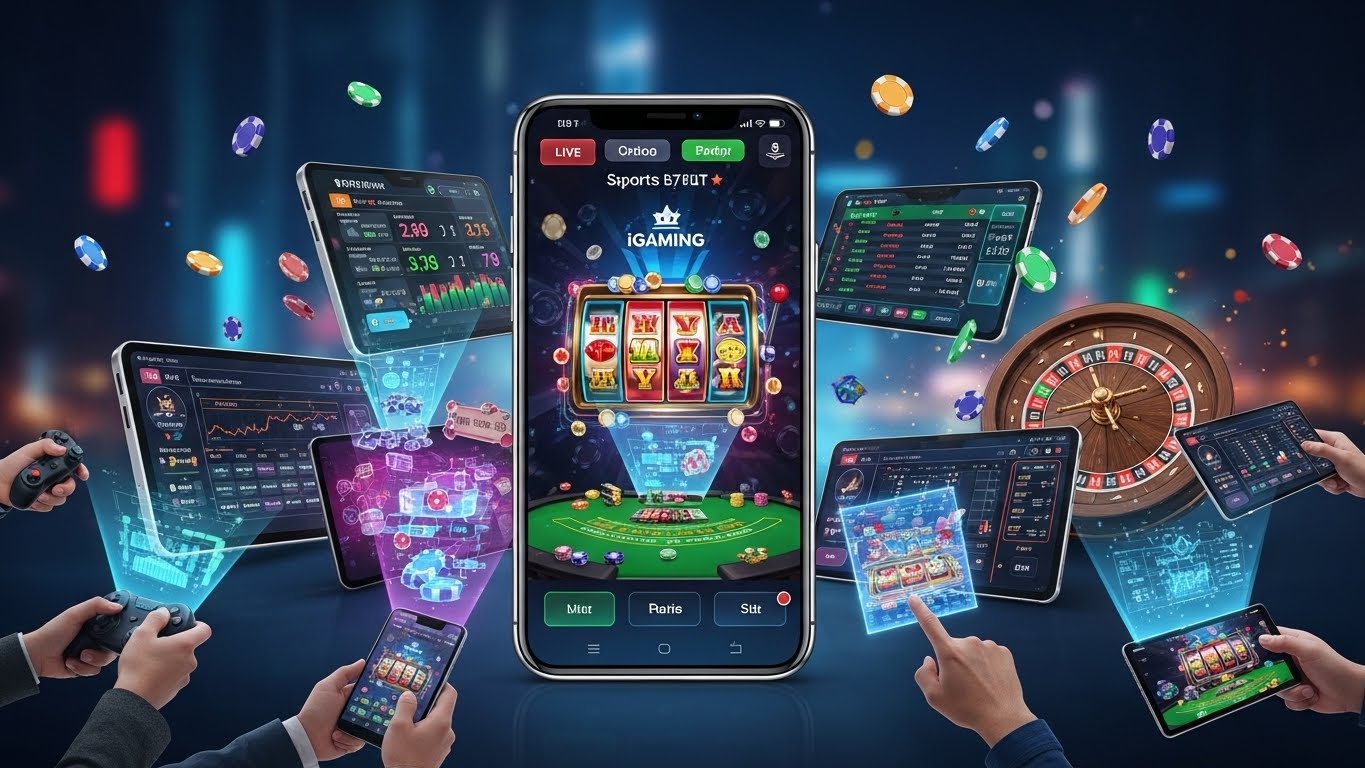
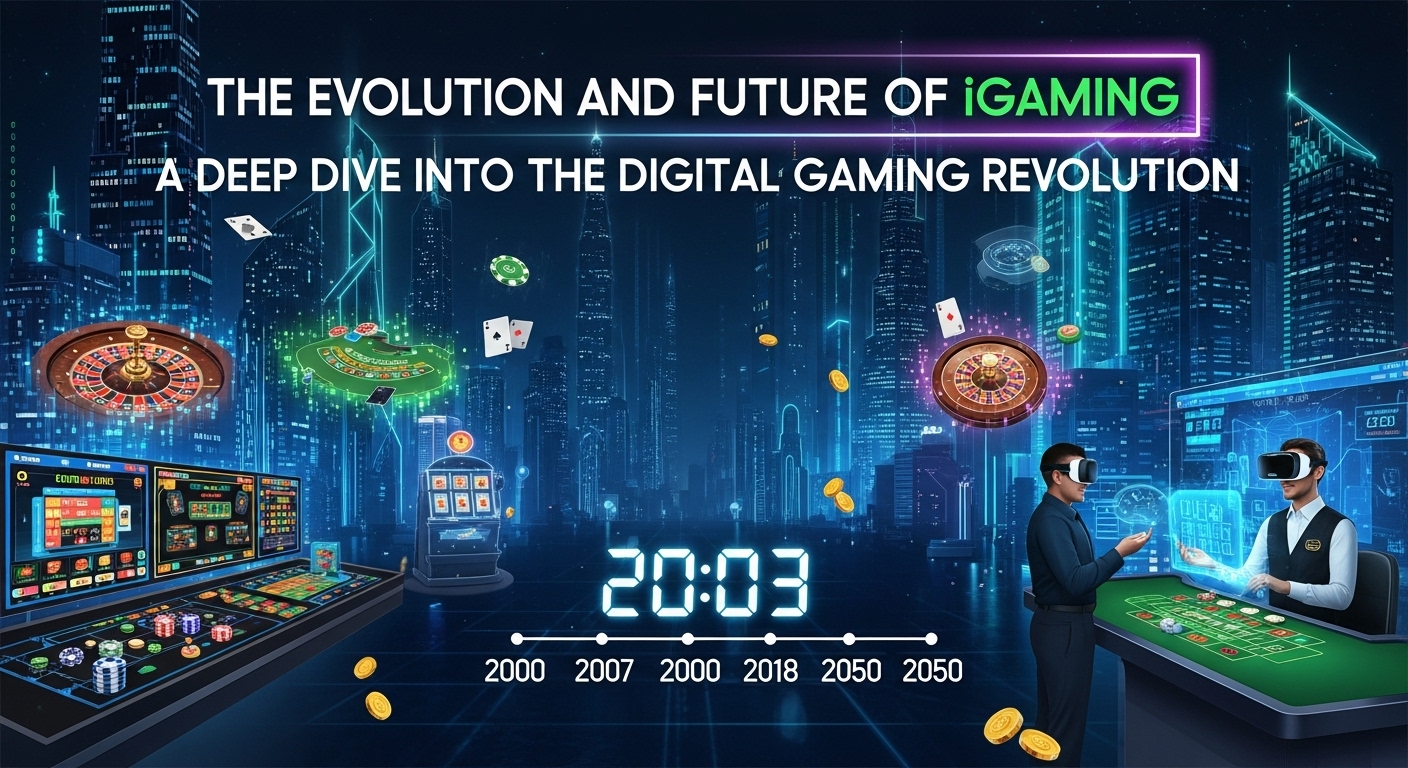
The iGaming industry has experienced exponential growth over the past decade, transforming how people engage with gambling, betting, and online games. It represents a convergence of technology, entertainment, and financial opportunity, creating an ecosystem that is both thrilling and complex. From traditional casino games moving into the digital realm to the rise of sports betting apps, iGaming has become an integral part of modern digital culture. This blog explores the various aspects of iGaming, from its evolution and types to technology, trends, and social impacts.
The Evolution of iGaming
iGaming, short for “internet gaming,” is a relatively new term but has roots tracing back to the earliest days of online gambling in the mid-1990s. The first online casinos provided a digital alternative to traditional casinos, offering games such as poker, roulette, and blackjack on the web. These early platforms were basic, often lacking in interactive features or sophisticated graphics.
As internet connectivity improved and technology advanced, iGaming platforms became more immersive. The introduction of live dealer games, mobile gaming apps, and virtual reality environments revolutionized the way players interact with digital casinos. Modern iGaming is not just about gambling; it’s about creating an experience that mimics real-life entertainment with added convenience and personalization.
Types of iGaming Platforms
iGaming encompasses a wide range of platforms, each catering to different types of players and interests. Understanding these categories helps in grasping the scope and potential of this industry.
Online Casinos
Online casinos are the backbone of iGaming. They provide digital versions of classic casino games such as blackjack, poker, roulette, and slot machines. Unlike physical casinos, online platforms offer accessibility, allowing players to engage in games from anywhere, at any time. Modern online casinos often include live dealer options where players can interact with real dealers through video streaming, creating a near-authentic casino experience.
Sports Betting
Sports betting has been a traditional pastime for centuries, but the digital age has elevated it to unprecedented levels. Online sportsbooks allow users to place bets on a variety of sports, from football and basketball to cricket and esports. Advanced analytics and real-time updates make betting more dynamic, allowing users to react instantly to changes in the game. Some platforms even offer in-play betting, where players can bet on specific events as they unfold.
Poker Rooms
Digital poker rooms replicate the experience of a traditional poker table with multiple players from across the globe. Online poker has a dedicated following, with platforms offering both casual games and professional tournaments. Features such as multi-table options, statistical tracking, and various game formats cater to both novice and experienced players.
Lottery and Bingo
Lotteries and bingo have also made a successful transition into the iGaming world. Digital lottery platforms provide convenience and instant results, while online bingo rooms offer social interaction with live chat features. These games attract a diverse audience, appealing to players seeking low-stakes entertainment and community engagement.
Esports Betting
Esports has emerged as a significant segment within iGaming. Betting on competitive video gaming has surged in popularity, especially among younger demographics. Platforms allow users to wager on matches across popular games such as League of Legends, Dota 2, and Counter-Strike. The combination of esports and betting creates a unique form of entertainment that merges gaming culture with traditional betting excitement.
Technology Driving iGaming
The rapid growth of iGaming is closely tied to technological advancements. Technology not only enhances the user experience but also ensures security, fairness, and scalability across platforms.
Mobile Gaming
Mobile technology has played a transformative role in iGaming. The majority of players now access platforms via smartphones or tablets, prompting developers to optimize interfaces and experiences for smaller screens. Mobile apps often include features such as push notifications, instant deposits, and live gameplay, allowing users to engage seamlessly from anywhere.
Virtual Reality and Augmented Reality
Virtual reality (VR) and augmented reality (AR) are pushing the boundaries of digital gambling. VR casinos offer fully immersive environments where players can interact with tables, dealers, and other participants as if they were in a physical casino. AR applications can overlay interactive elements onto real-world surroundings, creating a hybrid gaming experience that blends reality with digital entertainment.
Blockchain and Cryptocurrencies
Blockchain technology and cryptocurrencies have introduced new levels of transparency and security in iGaming. Blockchain ensures that transactions are immutable and verifiable, while cryptocurrencies provide faster, borderless payments. Some platforms even use blockchain for provably fair gaming, allowing players to verify the integrity of each game outcome.
Artificial Intelligence and Personalization
Artificial intelligence (AI) plays a crucial role in enhancing player engagement. AI algorithms analyze user behavior to personalize recommendations, adjust game difficulty, and offer targeted promotions. Chatbots powered by AI also provide instant customer support, making the overall experience smoother and more responsive.
Regulatory Environment
The legal framework surrounding iGaming varies significantly across countries. In some regions, it is fully regulated with strict licensing requirements, while in others, it operates in a legal gray area or is completely prohibited. Regulatory compliance is critical for platform operators to ensure player safety, responsible gambling practices, and fair competition.
Governments often enforce measures such as age verification, anti-money laundering protocols, and responsible gambling tools. For players, it’s important to engage with licensed platforms to guarantee secure transactions and fair gameplay.
The Psychology of iGaming
iGaming is not just about chance; it involves a deep psychological component. The thrill of risk, reward systems, and instant feedback loops are designed to engage players and maintain interest. Understanding these psychological factors helps in both player retention for operators and promoting responsible gambling practices.
Reward Systems
Gamification is a core aspect of modern iGaming. Platforms use point systems, loyalty rewards, and achievement badges to incentivize continued engagement. This mirrors video game mechanics and leverages human tendencies to seek rewards and recognition.
Risk and Excitement
The element of risk triggers excitement and adrenaline in players. Variable reward schedules, such as slot machines or progressive jackpots, create unpredictability that keeps users engaged. While this can enhance entertainment value, it also highlights the need for responsible gambling measures.
Social Interaction
Many iGaming platforms incorporate social features to increase engagement. Multiplayer poker, live dealer chats, and bingo rooms allow players to interact, fostering a sense of community. Social dynamics can enhance enjoyment but also introduce peer influence, making awareness and self-regulation important.
Economic Impact of iGaming
The iGaming industry contributes significantly to the global economy. It generates revenue through licensing, taxation, employment, and technological innovation. Online gambling operators invest heavily in marketing, software development, and payment solutions, stimulating growth in related sectors.
In addition, iGaming provides entrepreneurial opportunities. Affiliates, content creators, and streamers can monetize expertise, creating new digital career pathways. The industry’s expansion into emerging markets also drives technological adoption and infrastructure development.
Trends Shaping the Future
The future of iGaming promises even greater innovation, with several key trends poised to shape the landscape.
Mobile-First Experiences
As mobile usage continues to rise, iGaming platforms will increasingly prioritize mobile-first designs. Expect faster apps, enhanced graphics, and integrated payment solutions tailored to on-the-go users.
Integration of Social Media
Social media integration will transform iGaming into a more interactive and community-driven experience. Platforms may incorporate live streaming, social rewards, and interactive challenges to engage players in new ways.
Responsible Gambling Technology
With the industry’s growth, responsible gambling tools are evolving. AI-driven monitoring can detect risky behavior, offering timely interventions such as self-exclusion, deposit limits, or reminders to take breaks.
Advanced Analytics and Personalization
Big data analytics will continue to refine personalization, offering tailored game suggestions, promotions, and content. Predictive modeling may also improve player retention and satisfaction by understanding behavioral trends in real-time.
Expansion into New Markets
Emerging markets in Asia, Africa, and Latin America are showing significant interest in iGaming. Expanding into these regions requires adapting to cultural preferences, regulatory environments, and payment infrastructures.
Challenges Facing iGaming
Despite its growth, iGaming faces several challenges that must be addressed to ensure sustainable development.
Regulatory Complexity
Navigating global regulations is a significant challenge for operators. Compliance requires investment in legal expertise, licensing, and monitoring systems. Players must also exercise caution to engage only with licensed platforms.
Cybersecurity Threats
The digital nature of iGaming makes it vulnerable to cyberattacks. Operators must implement robust security measures to protect personal and financial information. Players, too, need to be vigilant about account security and phishing risks.
Problem Gambling
The immersive nature of iGaming can contribute to problem gambling. Responsible gambling programs, public awareness campaigns, and technological interventions are essential to mitigate this risk.
Competition and Market Saturation
The rapid expansion of iGaming has led to a highly competitive environment. Differentiation through innovation, user experience, and unique offerings is essential for operators to attract and retain players.
Conclusion
iGaming has transformed from a niche online activity to a mainstream digital entertainment industry. It represents a unique intersection of technology, psychology, and economics, providing entertainment, engagement, and financial opportunities for millions of players worldwide.
As technology continues to advance, the iGaming landscape will evolve further, offering more immersive experiences, enhanced personalization, and broader accessibility. At the same time, operators and players must remain mindful of regulatory compliance, cybersecurity, and responsible gambling practices.
The world of iGaming is dynamic, diverse, and continually growing. For players, it offers excitement, strategy, and community. For operators and innovators, it provides a fertile ground for creativity, technology application, and economic impact. The future of iGaming promises not only to entertain but also to redefine digital engagement in ways that were unimaginable just a few decades ago.