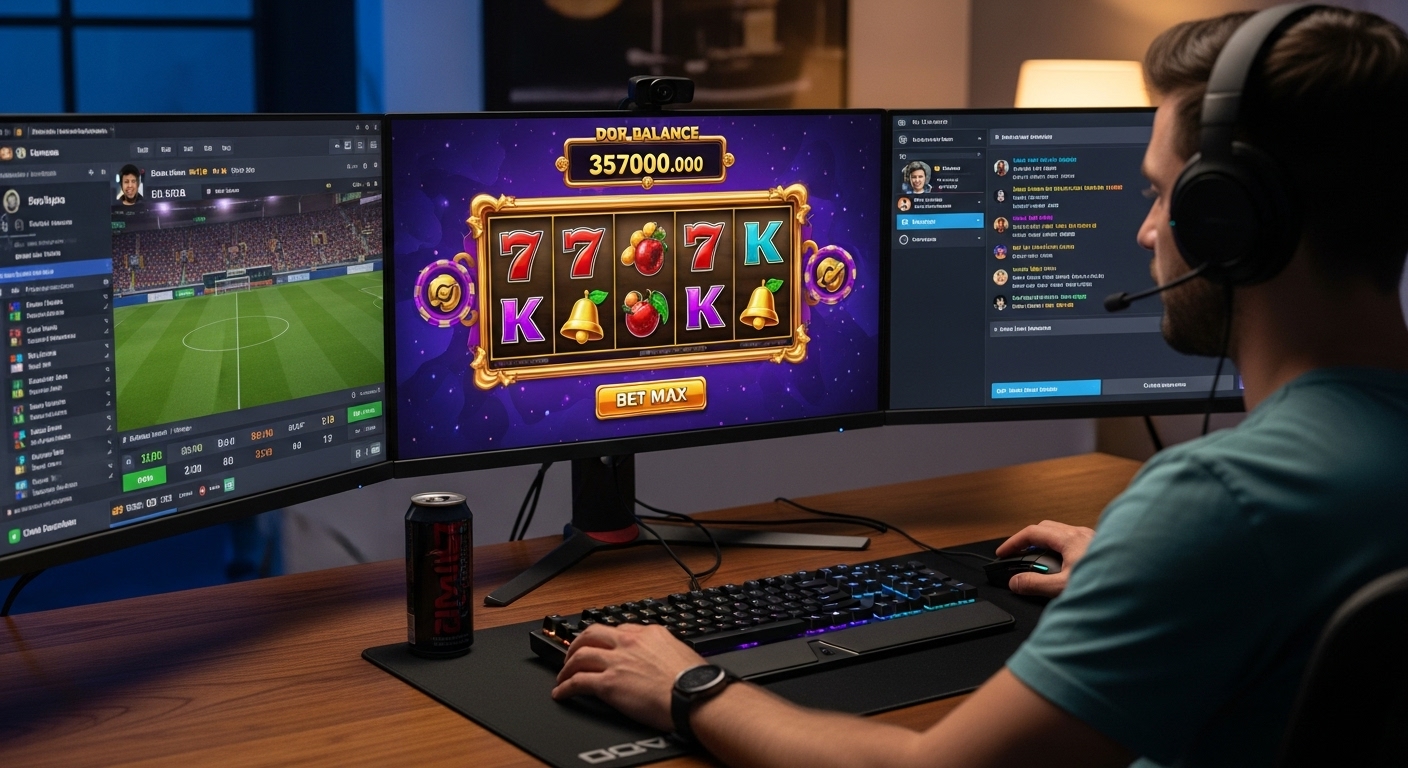

The iGaming industry has rapidly emerged as one of the most dynamic and expansive sectors in the global entertainment market. It has transformed the traditional gambling landscape, offering players the opportunity to participate in a wide range of gambling activities through digital platforms. From online casinos to sports betting, poker rooms, and even virtual reality gambling, the evolution of iGaming has been nothing short of revolutionary. In this blog post, we will explore the origins of iGaming, how it has evolved over the years, and why it continues to captivate millions of players worldwide.
What is iGaming?
At its core, iGaming refers to any form of gambling that takes place over the internet. It encompasses a variety of online activities, including casino games like blackjack, roulette, and slots, as well as poker, sports betting, bingo, and even newer formats like virtual sports and eSports betting. What makes iGaming unique is that it allows players to access these games and betting opportunities from anywhere in the world, provided they have an internet connection. This accessibility and convenience have been major factors in the rapid growth of the industry.
Unlike traditional brick-and-mortar casinos, where players have to physically visit a location to participate, iGaming has made gambling available 24/7. Players can enjoy their favorite games from the comfort of their own homes or on-the-go through mobile devices. This accessibility has not only attracted a wide range of gamblers but has also opened up the industry to a more diverse demographic.
The Origins of iGaming
The roots of iGaming can be traced back to the mid-1990s, when the internet began to take off as a mainstream medium. In 1994, Microgaming, one of the pioneers in the online gaming space, developed the first online casino software, which was licensed by the government of Antigua and Barbuda. This marked the beginning of the online gambling era, allowing players to engage in casino-style games via the internet.
While the first online casinos were relatively basic in terms of graphics and functionality, they demonstrated the potential for remote gambling. The early 2000s saw the introduction of new online casino platforms and the rise of online poker, which rapidly gained popularity. Major events like the “Poker Boom” of the early 2000s, fueled by televised poker tournaments and the rise of online poker rooms, helped push iGaming into the mainstream.
As more countries began to regulate online gambling, the industry experienced rapid growth. By the mid-2000s, iGaming had become a global phenomenon, attracting players from all corners of the globe. Innovations in software, game design, and payment processing made online gambling more user-friendly and secure, further boosting its popularity.
The Mobile Gaming Revolution
One of the most significant changes in the iGaming landscape over the last decade has been the rise of mobile gaming. With the widespread adoption of smartphones and tablets, players are no longer tied to their computers to access online gambling platforms. Mobile devices have revolutionized the way people engage with iGaming, offering an unparalleled level of convenience.
In the early days of online gambling, players had to use desktop computers to place bets or play games. However, the development of mobile-friendly websites and dedicated apps has allowed players to access their favorite games from virtually anywhere. Whether it’s spinning the reels on a slot machine while waiting for a bus or placing a bet on a live sports event during a lunch break, mobile gaming has made it easier than ever for players to gamble on the go.
Today, mobile gambling accounts for a significant portion of the overall iGaming market, with mobile apps offering the same high-quality gameplay, security features, and user experience as their desktop counterparts. In fact, many online casinos and sports betting platforms now prioritize mobile-first designs, ensuring that their platforms are fully optimized for smartphones and tablets.
The Global Expansion of iGaming
The expansion of iGaming into international markets has been another key factor in the industry’s rapid growth. Over the past decade, many countries have started to recognize the potential of online gambling as a source of revenue, leading to the development of regulatory frameworks that allow operators to offer their services legally.
In Europe, for example, many countries have implemented licensing systems that regulate online gambling activities and protect consumers. The United Kingdom, Malta, and Gibraltar are among the most well-known jurisdictions for iGaming operators, providing licenses to a wide range of gambling platforms. These regulated markets help ensure that players can trust the platforms they use, as they are subject to strict oversight and accountability.
In the United States, the legal landscape surrounding iGaming has been more complex. While online poker and casino games were initially prohibited under federal law, states have since gained the authority to regulate online gambling within their own borders. As of 2023, states such as New Jersey, Pennsylvania, Michigan, and West Virginia have legalized online casinos and sports betting, and other states are considering similar legislation. This state-by-state approach has allowed the U.S. to gradually open up to the world of iGaming, though the patchwork of regulations remains a challenge for operators.
Meanwhile, in Asia, the situation is more varied. While countries like the Philippines and Macau have embraced iGaming, many others, including China and India, have strict laws that prohibit or heavily regulate online gambling. As a result, many iGaming operators focus on the markets where gambling is legalized, while players in restricted regions may turn to offshore platforms that offer their services.
The Key Drivers of iGaming’s Growth
Several factors have contributed to the meteoric rise of iGaming. Here are some of the key drivers behind its success:
1. Convenience and Accessibility
The ability to access iGaming platforms at any time and from any location has been one of the most significant factors in the industry’s growth. With the rise of mobile devices, players no longer need to visit a physical casino or betting shop to enjoy their favorite games. Instead, they can simply log into a website or app and start playing instantly. This convenience has made iGaming more appealing to a wide audience, including those who may not have previously engaged with traditional gambling.
2. Technological Advancements
The rapid advancement of technology has played a critical role in shaping the iGaming industry. Over the years, the quality of online games has improved dramatically, with developers creating high-definition graphics, immersive soundtracks, and realistic game mechanics. The introduction of live dealer games, where players can interact with real dealers in real-time, has also added a new dimension to online casinos.
Moreover, emerging technologies like virtual reality (VR) and augmented reality (AR) are beginning to influence the iGaming experience. VR casinos, for example, allow players to immerse themselves in a virtual world that simulates the experience of being in a physical casino, while AR can enhance the gaming experience by overlaying digital elements onto the real world.
3. Variety of Games and Betting Options
One of the reasons iGaming has gained so much traction is the wide variety of games and betting options available. Players can choose from a range of traditional casino games, such as slots, blackjack, and roulette, or explore newer options like virtual sports and eSports betting. The variety of available games means that there is something for everyone, whether you’re a seasoned gambler or a casual player.
Additionally, iGaming platforms are constantly introducing new games and features to keep players engaged. Tournaments, special promotions, and seasonal events add excitement and variety, ensuring that players always have something to look forward to.
4. Bonuses and Promotions
Another important factor driving the popularity of iGaming is the use of bonuses and promotions to attract and retain players. Online casinos and sports betting platforms often offer generous welcome bonuses, free spins, and other incentives to new players. These promotions not only encourage sign-ups but also increase the likelihood that players will return to the platform.
Loyalty programs and VIP rewards are also common in the iGaming industry, with players earning points for every wager they make. These points can be redeemed for prizes, cashback, or access to exclusive games and events. These bonuses and promotions create a more rewarding and engaging experience for players.
The Challenges Facing the iGaming Industry
Despite its remarkable growth, the iGaming industry faces several challenges that could impact its future development.
1. Regulatory and Legal Issues
As mentioned earlier, the legal landscape for iGaming is complex and varies significantly from one region to another. While some countries have embraced online gambling, others continue to impose strict regulations or outright bans. This regulatory uncertainty can make it difficult for operators to expand into new markets and can create challenges for players who wish to access certain platforms.
2. Problem Gambling and Addiction
The rise of iGaming has also raised concerns about problem gambling and addiction. The ease of access and the potential for large financial losses can lead some individuals to develop unhealthy gambling habits. While many iGaming operators have implemented responsible gambling measures, such as self-exclusion tools and spending limits, the issue remains a significant challenge for the industry.
3. Security and Fraud Concerns
As with any online industry, iGaming is vulnerable to cyber threats, including hacking, identity theft, and fraud. Ensuring the security and privacy of players’ personal and financial information is critical to maintaining trust in the industry. Operators must invest in robust security measures, including encryption technology and secure payment systems, to protect their customers from potential threats.
Conclusion
iGaming has transformed the way people experience gambling, offering an accessible, convenient, and diverse range of options for players around the world. The industry’s rapid growth can be attributed to technological advancements, the rise of mobile gaming, and the increasing legalization and regulation of online gambling. As the sector continues to evolve, it will likely encounter challenges, including regulatory hurdles, responsible gambling issues, and security concerns.