Introduction
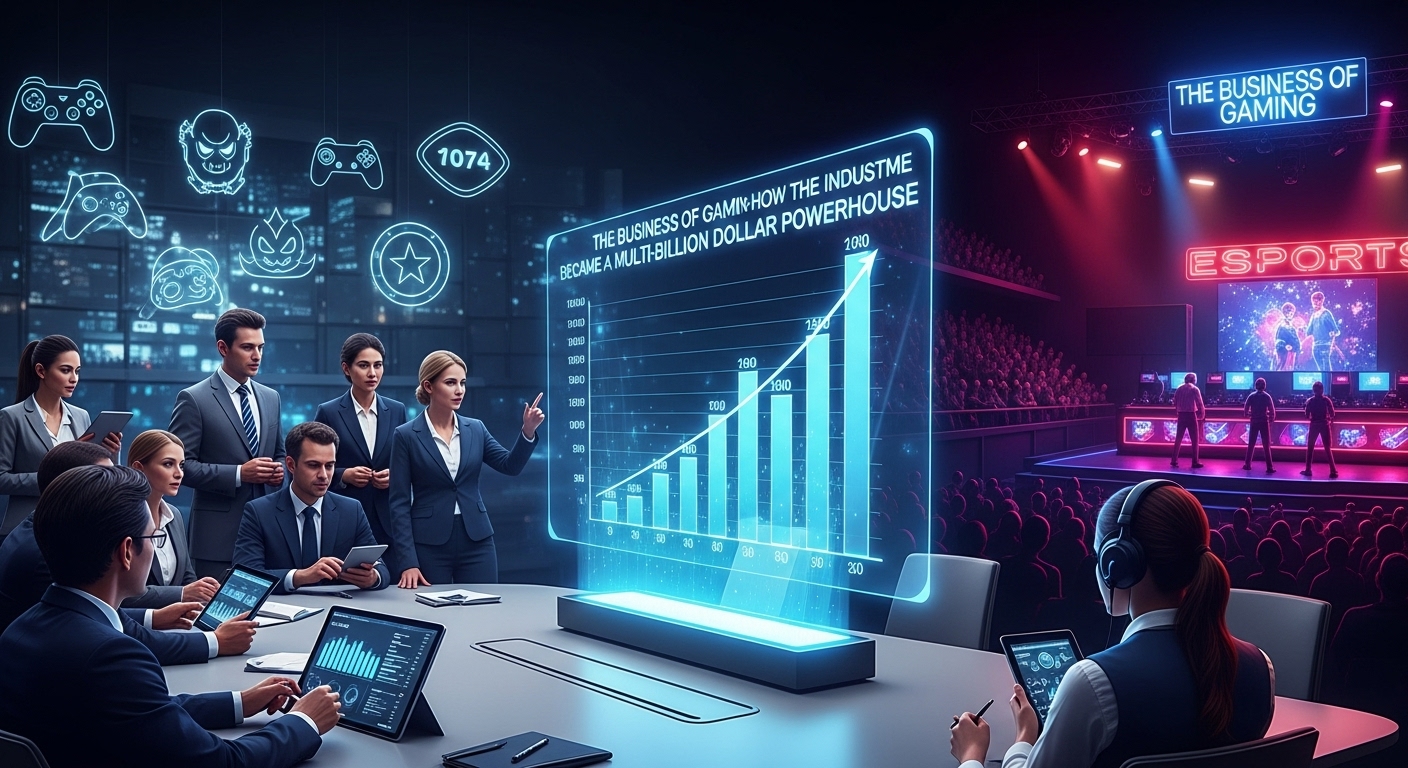
Gaming has grown from niche hobby to global industry worth over $200 billion annually. What started with arcades and early consoles has transformed into a multifaceted business spanning esports, mobile gaming, streaming, and merchandise. Understanding the economics behind gaming is crucial for players, developers, and investors alike.
This blog explores the history, monetization models, market trends, and future of the gaming business.
The Economic History of Gaming
- 1970s–1980s: Arcade revenue booms; games like Pac-Man generate huge profits.
- 1990s: Console wars (Nintendo vs Sega) spark home gaming dominance.
- 2000s: Online gaming and PC titles create subscription and microtransaction models.
- 2010s–Present: Mobile gaming and digital distribution explode globally.
Revenue Streams in Gaming
- Game Sales – Physical and digital copies.
- In-App Purchases (IAPs) – Mobile and free-to-play games thrive on microtransactions.
- Subscription Services – Xbox Game Pass, PlayStation Plus, Apple Arcade.
- Esports – Sponsorships, ticket sales, and merchandise.
- Streaming Platforms – Twitch and YouTube Gaming monetize through ads and subscriptions.
- Merchandise and Licensing – Apparel, collectibles, and media adaptations.
Mobile Gaming Economics
- Free-to-Play Model – Games monetize through IAPs.
- Global Accessibility – Mobile dominates in regions where consoles are expensive.
- Top Grossing Titles – PUBG Mobile, Genshin Impact, Candy Crush generate billions.
Console and PC Gaming Economics
- AAA Titles – Big-budget games like Call of Duty and FIFA can cost $100 million+ to develop.
- DLC and Expansions – Extend revenue streams post-launch.
- Digital Sales Growth – Steam, Epic Games Store, PlayStation Store dominate distribution.
Esports as a Billion-Dollar Business
- Tournaments – Dota 2 International with $40M+ prize pools.
- Sponsorships – Brands invest in teams, tournaments, and streaming partnerships.
- Streaming and Content Creation – Professional gamers earn salaries, sponsorships, and ad revenue.
Emerging Markets
- China, South Korea, Southeast Asia – Huge mobile gaming markets.
- Streaming and Content Monetization – Platforms like TikTok Gaming open new revenue streams.
- VR/AR Markets – Emerging segment with potential multi-billion-dollar growth.
The Future of Gaming Business
- Cloud Gaming Subscription Models – Reduce hardware dependency and expand market reach.
- Blockchain and NFTs – Controversial but potential for digital asset ownership.
- AI Game Development – Reduced production costs, faster development cycles.
- Cross-Platform Ecosystems – Unified marketplaces across PC, console, and mobile.
Conclusion
Gaming is no longer just entertainment—it’s a multi-billion-dollar global industry influencing culture, technology, and business. From mobile apps to esports tournaments and immersive VR experiences, gaming continues to grow at an unprecedented pace. Understanding the business side of gaming helps players, developers, and investors appreciate its scale and potential.