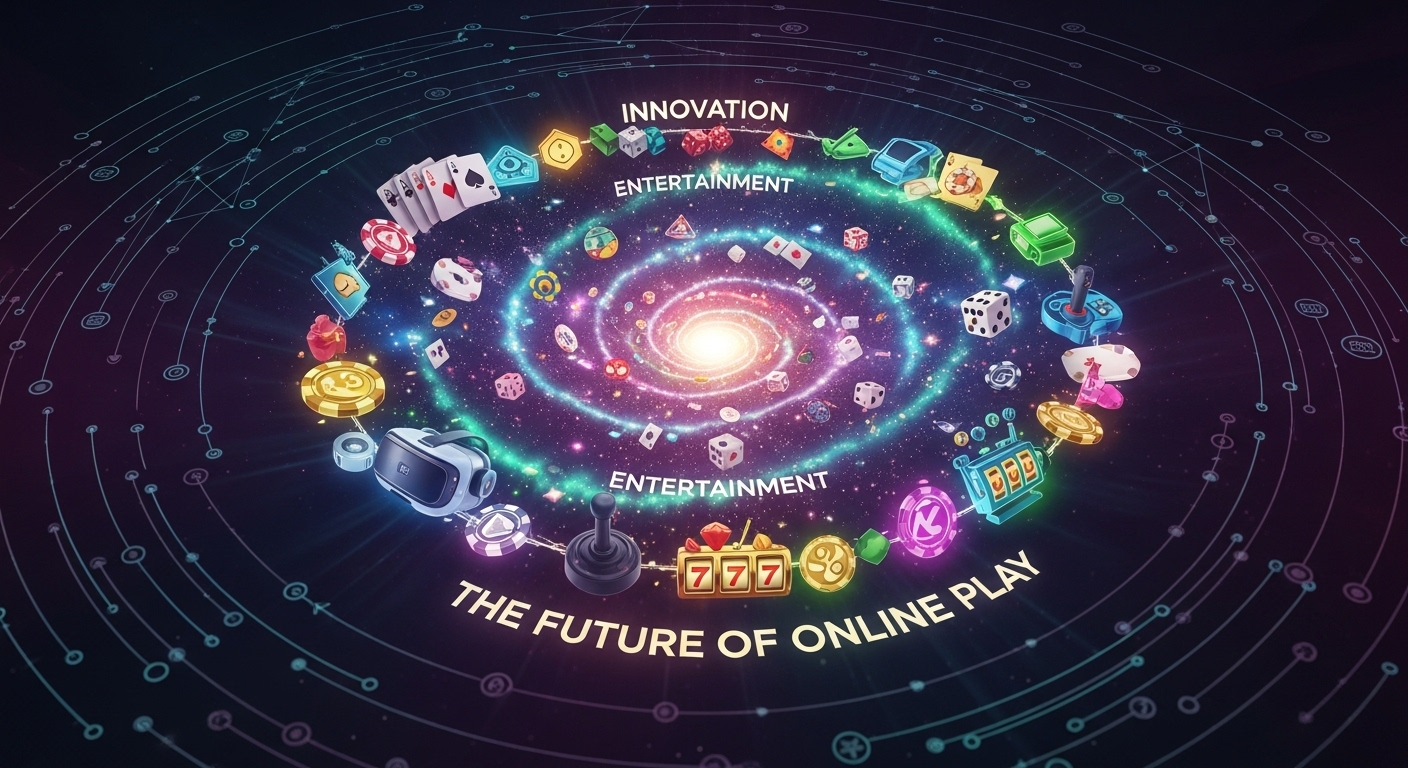

The world of entertainment has witnessed a major transformation in the last decade, and iGaming stands at the forefront of this revolution. iGaming, or interactive gaming, is no longer just a niche hobby; it has become a mainstream form of entertainment enjoyed by millions across the globe. The growth of iGaming is fueled by technology, evolving consumer behavior, and an ever-expanding range of gaming options. This article explores the intricacies of iGaming, its key segments, technological advancements, challenges, and future trends shaping this dynamic industry.
Understanding iGaming
iGaming refers to online gaming platforms that offer interactive experiences, including casino games, sports betting, esports, lotteries, and bingo. Unlike traditional gaming venues, iGaming allows players to engage in games from anywhere using digital devices. This convenience has made iGaming extremely popular, particularly among younger, tech-savvy audiences.
Beyond entertainment, iGaming serves as a significant economic driver. Players enjoy the thrill of competition, while operators generate substantial revenue through subscriptions, in-game purchases, and betting activities. The iGaming industry has also attracted investors and entrepreneurs looking to capitalize on its rapid growth.
The Growth of the iGaming Industry
The iGaming industry has experienced explosive growth over the past decade. Several factors contribute to this upward trajectory. First, the widespread availability of high-speed internet and smartphones has made online gaming accessible to a global audience. Mobile devices allow users to play anytime and anywhere, eliminating the need to visit physical casinos or betting centers.
Second, regulatory reforms in many countries have legitimized online gambling, creating safe and legal environments for players and operators alike. Europe, North America, and parts of Asia have implemented frameworks that ensure fair play, responsible gaming, and secure financial transactions.
Third, the rise of digital payment systems has simplified financial interactions for players. Deposits, withdrawals, and account management can now be completed with just a few clicks. The combination of convenience, safety, and entertainment has positioned iGaming as one of the fastest-growing sectors in digital entertainment.
Key Segments of iGaming
The iGaming industry is diverse, encompassing multiple types of gaming experiences. Understanding these segments helps highlight the breadth and versatility of the industry.
Online Casinos
Online casinos are a cornerstone of the iGaming industry. These platforms offer a wide variety of games, including blackjack, roulette, poker, and slot machines. Modern online casinos integrate advanced graphics, immersive audio, and interactive gameplay. Live dealer options further enhance the experience by providing real-time interaction with professional dealers, replicating the feeling of being in a physical casino.
Sports Betting
Sports betting has become increasingly popular, particularly through mobile applications. Users can place wagers on football, basketball, tennis, and a variety of other sports events. Real-time odds, live betting, and user-friendly interfaces make sports betting an engaging and dynamic experience for enthusiasts.
Esports Betting
Esports, or competitive video gaming, has gained a global following, attracting younger audiences eager to combine their gaming passion with betting. Platforms dedicated to esports betting offer markets for games like League of Legends, Dota 2, and Counter-Strike, providing an entirely new layer of entertainment and competition.
Lottery and Bingo
Traditional games like lotteries and bingo have also transitioned to digital platforms. Online versions feature instant results, interactive interfaces, and community engagement. This modernization of classic games has expanded their reach and enhanced social aspects for players worldwide.
Technological Innovations in iGaming
The rapid growth of iGaming is closely tied to technological advancements. Cutting-edge technologies have reshaped how players interact with games, making them more immersive, interactive, and secure.
Mobile Gaming
Mobile gaming is a key driver of the iGaming boom. Smartphones and tablets with high-resolution screens, fast processing speeds, and reliable internet connectivity provide a seamless gaming experience. Many iGaming platforms now focus on mobile-first designs, optimizing interfaces for ease of use and responsiveness.
Live Dealer Games
Live dealer games bring real-time casino experiences to players’ screens. Through high-definition video streaming, professional dealers host games that mimic the atmosphere of a physical casino. This technology creates trust, adds excitement, and bridges the gap between virtual and real-world gaming.
Virtual Reality and Augmented Reality
Virtual reality (VR) and augmented reality (AR) are transforming iGaming by offering immersive and interactive experiences. VR casinos allow players to navigate virtual environments, interact with other participants, and experience games in a three-dimensional setting. AR overlays enhance gameplay by integrating digital elements into real-world surroundings, adding depth and interactivity.
Artificial Intelligence
Artificial intelligence (AI) plays a vital role in personalizing the gaming experience, improving customer service, and preventing fraud. AI algorithms analyze player behavior, preferences, and trends to provide tailored recommendations and ensure fair play. Predictive analytics powered by AI also help operators design better games and optimize player engagement.
Security and Responsible Gaming
With the digital nature of iGaming, ensuring security and promoting responsible gaming are critical. Platforms invest heavily in cybersecurity measures, including encryption, secure payment gateways, and fraud detection systems. These measures protect sensitive player information and maintain trust within the industry.
Responsible gaming initiatives are equally important. Operators implement tools such as deposit limits, self-exclusion programs, and behavioral monitoring to help players manage their gaming habits. Promoting awareness and encouraging responsible participation ensures the long-term sustainability of the industry.
Challenges in the iGaming Industry
Despite impressive growth, iGaming faces several challenges that operators and regulators must address.
Regulatory Challenges
iGaming regulations differ widely across countries, creating a complex landscape for global operators. Compliance with local licensing, taxation, and consumer protection laws requires significant resources and expertise.
Market Competition
The proliferation of iGaming platforms has intensified competition. Operators must constantly innovate, provide unique experiences, and ensure superior customer service to maintain player loyalty. Market saturation can lead to pricing pressures and reduce profitability.
Cybersecurity Threats
The digital nature of iGaming makes it vulnerable to cyberattacks. Hackers may attempt to steal player data or manipulate game outcomes. Maintaining robust security infrastructure is essential to protect both players and operators.
Social and Ethical Concerns
Gambling addiction and financial losses remain key social concerns. Addressing these issues through education, awareness campaigns, and responsible gaming practices is crucial for the industry’s reputation and long-term sustainability.
Future Trends in iGaming
The iGaming industry is poised for continued growth, driven by technology, innovation, and expanding market opportunities.
Blockchain and Cryptocurrencies
Blockchain technology offers transparency, security, and decentralization, making it attractive for iGaming platforms. Cryptocurrencies provide fast, secure, and private transactions, appealing to players who value privacy and efficiency. The adoption of blockchain could revolutionize financial operations and gaming transparency.
Gamification and Social Interaction
Gamification elements such as leaderboards, achievements, and interactive challenges enhance player engagement. Social features allow players to connect with friends, join communities, and share experiences, turning gaming into a social activity rather than a solitary one.
Artificial Intelligence and Predictive Analytics
AI and predictive analytics will continue to shape iGaming by personalizing player experiences, optimizing game design, and improving customer support. Data-driven decision-making allows operators to offer tailored promotions, enhance user engagement, and predict emerging trends.
Expansion into Emerging Markets
Emerging markets in Asia, Africa, and Latin America present significant opportunities. Increasing internet penetration, smartphone adoption, and regulatory reforms are driving iGaming growth in these regions. Operators entering these markets can tap into new audiences and revenue streams.
Conclusion
iGaming has transformed digital entertainment, offering convenience, excitement, and innovation to millions worldwide. From online casinos and sports betting to esports and lottery games, the industry caters to a wide variety of preferences and interests.
Technological advancements such as mobile gaming, live dealer experiences, VR, AI, and blockchain continue to enhance player engagement and operational efficiency. At the same time, regulatory compliance, cybersecurity, and responsible gaming practices remain essential to sustaining growth and trust in the industry.
The future of iGaming promises even more immersive, interactive, and socially connected experiences. It is no longer just about playing games; it is about creating experiences that captivate, entertain, and redefine digital leisure. iGaming is not just a pastime; it is a global phenomenon shaping the way people interact with entertainment in the digital age.